


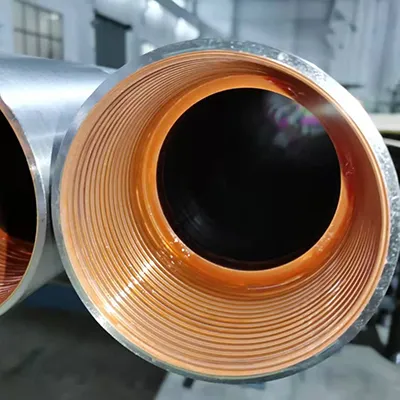


Tight gas reservoirs have become a significant source of natural gas in recent years. As a fracturing supplier, I've seen firsthand how the process of fracturing in these reservoirs works and the technologies involved. In this blog, I'll break down the ins and outs of fracturing in tight gas reservoirs and introduce some of the tools we offer.
Understanding Tight Gas Reservoirs
Tight gas reservoirs are characterized by low permeability, which means that the natural gas is trapped in rock formations and has a hard time flowing to the wellbore. Unlike conventional gas reservoirs, where the gas can easily flow through the rock, tight gas requires special techniques to extract. The rock in tight gas reservoirs is often very dense, with small pore spaces that make it difficult for the gas to move.
The Fracturing Process
The basic idea behind fracturing in tight gas reservoirs is to create fractures in the rock to allow the gas to flow more freely. Here's a step - by - step breakdown of how it works:
Well Drilling
First, a well is drilled into the tight gas reservoir. This is a complex process that requires careful planning and the use of specialized drilling equipment. The well needs to be drilled to the right depth and in the right location to access the gas - bearing rock.
Well Completion
Once the well is drilled, it's time for well completion. This involves setting up the well to allow for the fracturing process. We use various completion tools to ensure that the well is ready for fracturing. For example, the VS - 2 Retrievable Casing Packer is a great tool for isolating different sections of the wellbore. It can be retrieved after the fracturing process, which is really convenient for future operations.
Fracturing Fluid Injection
After the well is completed, a fracturing fluid is injected into the well at high pressure. The fracturing fluid is usually a mixture of water, sand, and chemicals. The high - pressure injection creates fractures in the rock. The sand, known as proppant, is carried by the fluid into the fractures. Once the pressure is released, the proppant keeps the fractures open, allowing the gas to flow through.
Monitoring and Evaluation
During and after the fracturing process, we monitor the well to evaluate its performance. We use various techniques to measure the flow of gas, the pressure in the well, and other important parameters. This helps us determine if the fracturing was successful and if any adjustments need to be made.
Tools for Fracturing in Tight Gas Reservoirs
As a fracturing supplier, we offer a range of tools that are specifically designed for tight gas reservoirs.
Cast Iron Bridge Plug (HPHT Type)
The Cast Iron Bridge Plug (HPHT Type) is a crucial tool for isolating different zones in the wellbore. It can withstand high temperatures and high pressures, which are common in tight gas reservoirs. This plug is used to block off certain sections of the well during the fracturing process, ensuring that the fracturing fluid is directed to the right areas.
Vigor Dissolve Bridge Plug (High Temperature And High Pressure Type)
The Vigor Dissolve Bridge Plug (High Temperature And High Pressure Type) is another innovative tool. It's designed to dissolve over time, which eliminates the need for costly and time - consuming retrieval operations. This plug is ideal for tight gas reservoirs where quick and efficient operations are essential.
Challenges in Fracturing Tight Gas Reservoirs
Fracturing in tight gas reservoirs isn't without its challenges. One of the main challenges is the high cost of the fracturing process. The equipment, the fracturing fluid, and the labor all add up. Another challenge is the environmental impact. The use of large amounts of water and chemicals in the fracturing process can have an impact on the environment.
We're constantly working on solutions to these challenges. For example, we're researching new fracturing fluids that are more environmentally friendly and cost - effective. We're also looking at ways to reduce the amount of water used in the fracturing process.
The Future of Fracturing in Tight Gas Reservoirs
The future of fracturing in tight gas reservoirs looks promising. As technology continues to improve, we'll be able to extract more gas from these reservoirs more efficiently. New tools and techniques are being developed all the time, which will make the fracturing process safer, more cost - effective, and more environmentally friendly.
Why Choose Our Fracturing Services
As a fracturing supplier, we have a lot to offer. We have a team of experienced engineers and technicians who are experts in fracturing tight gas reservoirs. We use the latest technology and equipment to ensure that our fracturing operations are successful. Our tools, like the VS - 2 Retrievable Casing Packer, Cast Iron Bridge Plug (HPHT Type), and Vigor Dissolve Bridge Plug (High Temperature And High Pressure Type), are designed to meet the specific needs of tight gas reservoirs.
If you're in the market for fracturing services for your tight gas reservoir, we'd love to talk to you. We can provide you with a detailed quote and a customized solution based on your specific requirements. Contact us to start a conversation about how we can help you extract more gas from your tight gas reservoir.
References
- King, G. E. (2012). Thirty years of gas shale fracturing: What have we learned? SPE Production & Operations, 27(3), 283 - 294.
- Economides, M. J., & Nolte, K. G. (2000). Reservoir stimulation. John Wiley & Sons.