


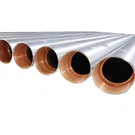


Maintaining SAW OCTG is crucial for ensuring its long - term performance, safety, and cost - effectiveness. As a SAW OCTG supplier, I understand the significance of proper maintenance and am here to share some valuable insights on how to achieve it.
Understanding SAW OCTG
SAW (Submerged Arc Welded) OCTG (Oil Country Tubular Goods) are widely used in the oil and gas industry. They are essential for various applications, including drilling, production, and transportation of oil and gas. These pipes are known for their high strength, good weldability, and ability to withstand harsh environments. However, without proper maintenance, their performance can deteriorate rapidly, leading to potential safety hazards and increased operational costs.
Inspection and Monitoring
The first step in maintaining SAW OCTG is regular inspection and monitoring. This should be carried out at various stages, from storage to installation and during operation.
Visual Inspection
Visual inspection is the most basic yet important form of inspection. It should be done before storage, during handling, and during installation. Check for any visible signs of damage such as cracks, dents, or corrosion. Cracks can propagate under stress, leading to pipe failure. Dents can weaken the pipe structure and cause flow restrictions. Corrosion can eat away at the pipe wall, reducing its thickness and integrity.
Non - Destructive Testing (NDT)
NDT techniques are essential for detecting internal and hidden defects. Ultrasonic testing (UT) is commonly used to detect internal flaws such as cracks and laminations. Magnetic particle testing (MT) can detect surface and near - surface defects in ferromagnetic materials. Eddy current testing (ET) is useful for detecting surface - breaking defects. By using these NDT methods regularly, potential problems can be identified early, allowing for timely repairs or replacements.
Monitoring of Operating Conditions
Monitoring the operating conditions of SAW OCTG is also crucial. Factors such as pressure, temperature, and flow rate should be continuously monitored. High - pressure conditions can cause the pipes to deform or burst. Excessive temperature can affect the material properties of the pipes. Unstable flow rates can lead to erosion and corrosion. By maintaining a record of these operating conditions, trends can be identified, and preventive measures can be taken.
Maintenance of Couplings
Couplings play a vital role in connecting SAW OCTG pipes. Proper maintenance of couplings is essential for ensuring a leak - free and strong connection.
Thread Inspection
The threads on the couplings and pipes should be inspected for wear, damage, or corrosion. Worn - out threads can lead to loose connections, which can cause leaks and even pipe separation. Use thread gauges to check the thread profile and pitch. If the threads are damaged, they may need to be repaired or the coupling replaced.
Lubrication
Applying the appropriate lubricant to the threads is important for several reasons. It reduces friction during make - up, preventing thread galling. It also provides a protective barrier against corrosion. Use a high - quality thread lubricant that is suitable for the specific operating conditions. Follow the manufacturer's recommendations for the type and amount of lubricant to use.
Torque Control
During coupling installation, proper torque control is crucial. Over - torquing can damage the threads, while under - torquing can result in loose connections. Use a calibrated torque wrench to ensure that the couplings are tightened to the recommended torque values. Refer to the pipe and coupling manufacturer's specifications for the correct torque settings.
Protection Against Corrosion
Corrosion is one of the biggest threats to SAW OCTG. It can reduce the pipe's wall thickness, weaken its structure, and ultimately lead to failure.
Coating Application
Applying a protective coating to the pipe is an effective way to prevent corrosion. There are various types of coatings available, such as epoxy coatings, polyurethane coatings, and fusion - bonded epoxy (FBE) coatings. Each type of coating has its own advantages and is suitable for different environments. For example, FBE coatings are known for their excellent adhesion and chemical resistance, making them suitable for buried pipelines.
Cathodic Protection
Cathodic protection is another method used to prevent corrosion. It involves the use of sacrificial anodes or impressed current systems to protect the pipe from corrosion. Sacrificial anodes are made of a more active metal than the pipe, such as zinc or magnesium. When connected to the pipe, the anode corrodes instead of the pipe. Impressed current systems use an external power source to provide a protective current to the pipe.
Handling and Storage
Proper handling and storage of SAW OCTG are essential to prevent damage before installation.
Handling
When handling SAW OCTG, use appropriate lifting equipment and techniques. Avoid dropping or rough handling of the pipes, as this can cause dents and other damage. Use padded slings or lifting devices to prevent scratching the pipe surface.
Storage
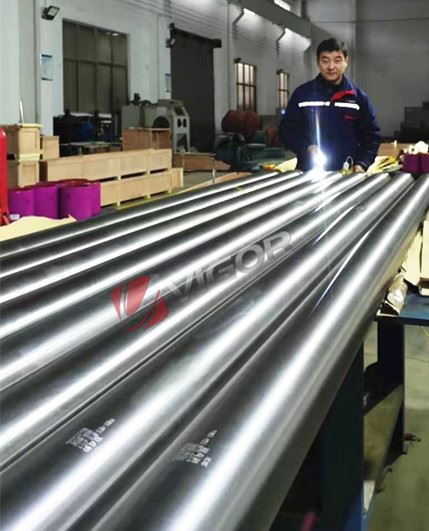
Store SAW OCTG in a dry, well - ventilated area. Protect the pipes from direct contact with the ground by using wooden or metal supports. If the pipes are stored outdoors, cover them with a waterproof tarp to protect them from rain and moisture.

Importance of Training
Training is an important aspect of SAW OCTG maintenance. Provide training to the personnel involved in handling, installation, and maintenance of the pipes. They should be trained on inspection techniques, NDT methods, coupling installation, corrosion protection, and proper handling and storage procedures. Well - trained personnel are more likely to identify potential problems early and perform maintenance tasks correctly.
Conclusion
Maintaining SAW OCTG is a comprehensive process that involves inspection, monitoring, coupling maintenance, corrosion protection, proper handling, and storage. By following these maintenance practices, the performance and lifespan of SAW OCTG can be significantly improved. As a SAW OCTG supplier, I am committed to providing high - quality products and technical support to our customers. If you are in the market for SAW OCTG and need reliable products and expert advice on maintenance, feel free to contact us for procurement and further discussions.
References
- API 5CT - Specification for Casing and Tubing
- NACE International - Corrosion Handbook
- Manufacturer's guidelines for SAW OCTG products