


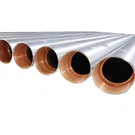


Hey there! As a Pup Joint supplier, I often get asked this burning question: Can Pup Joints be reused? Well, let's dig into this topic and find out.
First off, what exactly is a Pup Joint? For those who aren't in the know, a Pup Joint is a short length of pipe used in the oil and gas industry, typically in well - drilling operations. You can learn more about it here: Pup Joint.
Now, the big question of reusability. Whether a Pup Joint can be reused depends on several factors. One of the most important ones is the condition of the joint after its initial use. If it has been subjected to extreme stress, high - pressure environments, or corrosive substances, it might not be in a good shape for reuse.
For instance, in a drilling operation, Pup Joints are often exposed to high - pressure fluids and abrasive materials. Over time, this can cause wear and tear on the joint. The threads, which are crucial for proper connection, can get damaged. If the threads are worn out, it can lead to leaks or improper connections, which are big no - nos in the oil and gas industry.
Another factor is the type of application. Some applications are more demanding than others. For example, in a deep - sea drilling project, the Pup Joints are under much more stress compared to a shallow - water well. The high pressure and harsh environmental conditions in deep - sea operations can take a toll on the joints, making them less likely to be reusable.
Let's talk about inspection. Before considering reusing a Pup Joint, a thorough inspection is a must. This inspection should cover the entire length of the joint, including the threads, the body of the pipe, and any coatings. Non - destructive testing methods, such as ultrasonic testing and magnetic particle inspection, can be used to detect any internal or surface flaws. If any significant flaws are found, it's probably not a good idea to reuse the joint.
However, if the Pup Joint passes the inspection with flying colors, there's a good chance it can be reused. Reusing Pup Joints can be a cost - effective solution for companies. It reduces the need to purchase new joints, which can be quite expensive. It also helps in reducing waste, which is good for the environment.
But there are some precautions to take when reusing Pup Joints. First, make sure to clean the joint thoroughly. Any debris or contaminants left on the joint can cause problems during the next use. Second, apply a proper lubricant to the threads. This helps in ensuring a tight and leak - free connection.
Now, let's compare Pup Joints with other similar components like Flow Coupling and Coupling. Flow Couplings are designed to handle the flow of fluids, while Couplings are used to connect two pipes together. Both of these components also have their own reusability considerations.
Flow Couplings are often used in high - flow applications. Similar to Pup Joints, they can be reused if they are in good condition. However, they are more likely to be affected by the flow characteristics of the fluid, such as its viscosity and corrosiveness. Couplings, on the other hand, are mainly concerned with the connection between pipes. If the coupling has not been damaged during its previous use, it can be reused.
In the oil and gas industry, safety is always a top priority. When reusing Pup Joints, it's important to follow all safety standards and regulations. This includes proper installation, inspection, and maintenance. Using a reused Pup Joint that doesn't meet the safety requirements can lead to serious accidents, such as leaks or blowouts.
As a Pup Joint supplier, I've seen many cases where companies have successfully reused Pup Joints. But it's not something that can be done without proper evaluation. Each joint needs to be assessed on a case - by - case basis.
If you're in the oil and gas industry and are considering reusing Pup Joints, I'd be more than happy to help. I can provide you with the necessary information and guidance on the inspection and reuse process. Whether you need a new Pup Joint or are looking to reuse an existing one, we've got you covered.
So, if you're interested in purchasing Pup Joints or have any questions about their reusability, don't hesitate to reach out. We can have a detailed discussion about your specific needs and how we can best serve you.
References
- Oil and Gas Industry Standards and Guidelines
- Technical literature on pipe components in the oil and gas sector