


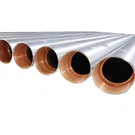


The size of a rod seal plays a pivotal role in determining its performance, and as a seasoned rod seal supplier, I've witnessed firsthand how this seemingly simple parameter can have far - reaching implications. In this blog, we'll delve into the multifaceted impact of rod seal size on its overall performance.
1. Sealing Efficiency
One of the primary functions of a rod seal is to prevent fluid leakage. The size of the rod seal directly affects its ability to achieve an effective seal. A seal that is too small in diameter may not create a sufficient contact area with the rod surface. This inadequate contact can lead to gaps through which the fluid can escape. For example, in hydraulic cylinders, even a minor leakage can result in a loss of pressure, reducing the overall efficiency of the system.
On the other hand, an oversized rod seal can cause excessive interference with the rod. This over - compression can lead to increased friction, which not only wears out the seal faster but also requires more energy to move the rod. In high - precision applications, such as medical equipment or aerospace systems, any inefficiency in sealing can have catastrophic consequences. A well - sized rod seal ensures optimal contact pressure around the rod, effectively blocking the flow of fluids and maintaining system integrity.
2. Friction and Wear
Friction is an inevitable by - product of the interaction between the rod seal and the rod. The size of the seal has a significant impact on the frictional forces at play. As mentioned earlier, an oversized seal will generate higher frictional forces due to the excessive pressure it exerts on the rod. This increased friction leads to accelerated wear of both the seal and the rod surface. Over time, the seal may develop cracks or lose its elasticity, while the rod may experience surface damage, such as scoring.
Conversely, a seal that is too small may not be able to maintain proper contact with the rod, resulting in inconsistent friction. This inconsistent friction can cause uneven wear patterns on the seal, reducing its lifespan. A properly sized rod seal helps to maintain a balanced level of friction. This balanced friction not only extends the life of the seal but also reduces the energy consumption of the system, as less force is required to move the rod.
3. Pressure Resistance
Rod seals are often subjected to high pressures, especially in applications such as hydraulic presses or industrial pumps. The size of the seal can influence its ability to withstand these pressures. A larger seal may have a greater surface area to distribute the pressure, which can enhance its pressure - resistance capabilities. However, if the size is not proportionate to the rod and the system requirements, it may not be able to effectively contain the pressure.
For instance, in a high - pressure hydraulic system, a seal that is too small may be unable to withstand the force of the fluid, leading to blow - out or extrusion. On the other hand, an overly large seal may be difficult to install correctly, and the additional material may not necessarily translate into better pressure resistance. A well - sized rod seal is designed to handle the specific pressure requirements of the application, ensuring reliable performance under high - stress conditions.
4. System Compatibility
The size of the rod seal must be compatible with the overall system design. It needs to fit seamlessly into the available space within the equipment. An oversized seal may not fit into the seal gland, causing installation difficulties and potentially damaging the seal or the equipment during the installation process. A seal that is too small may not provide the necessary support or stability within the gland, leading to misalignment and reduced performance.
In addition to physical compatibility, the size of the rod seal also affects its compatibility with other components in the system. For example, in a complex hydraulic circuit, the seal size can impact the flow characteristics of the fluid. A seal that is not sized correctly may disrupt the normal flow pattern, leading to issues such as cavitation or vibration.
5. Temperature and Chemical Resistance
The size of the rod seal can also influence its performance in terms of temperature and chemical resistance. Larger seals may have a greater mass, which can affect their ability to dissipate heat. In high - temperature applications, a seal that is unable to dissipate heat effectively may experience a reduction in its mechanical properties, such as hardness and elasticity. This can lead to premature failure of the seal.
In terms of chemical resistance, the size of the seal can impact the exposure area to chemicals. A larger seal may have a greater surface area in contact with the chemical, increasing the risk of chemical attack. However, if the seal is properly sized and made from suitable materials, it can provide adequate protection against a wide range of chemicals. For example, Vigor Sealing Solutions offers rod seals that are designed to withstand various chemical environments, and the right size selection is crucial for their optimal performance.


6. Cost - effectiveness
Cost is always a consideration in any engineering application. The size of the rod seal can have a direct impact on its cost. Larger seals generally require more material, which increases the manufacturing cost. In addition, oversized seals may lead to higher energy consumption due to increased friction, which adds to the operational cost over time.
On the other hand, using a seal that is too small may result in frequent replacements due to premature failure, which also increases the overall cost. A well - sized rod seal offers the best balance between performance and cost. It provides reliable service over a long period, reducing the need for frequent replacements and minimizing energy consumption.
7. Application - specific Considerations
Different applications have unique requirements, and the size of the rod seal needs to be tailored accordingly. For example, in automotive applications, where space is often limited, compact rod seals are preferred. These seals need to be small enough to fit into the available space while still providing effective sealing.
In marine applications, such as China Vigor Offshore Tool Box, rod seals need to be able to withstand harsh environmental conditions, including saltwater corrosion. The size of the seal in these applications is carefully chosen to ensure optimal performance in the specific environment. Similarly, in the food and beverage industry, where hygiene is of utmost importance, the size of the rod seal must be compatible with the cleaning and sterilization processes.
Conclusion
In conclusion, the size of a rod seal has a profound impact on its performance across multiple aspects, including sealing efficiency, friction and wear, pressure resistance, system compatibility, temperature and chemical resistance, cost - effectiveness, and application - specific requirements. As a rod seal supplier, we understand the importance of providing the right size of seals for our customers' applications.
If you are in need of high - quality rod seals and want to discuss the optimal size for your specific requirements, we invite you to reach out to us for a procurement discussion. Our team of experts is ready to assist you in selecting the most suitable rod seals for your systems.
References
- Anderson, D. (2018). Sealing Technology Handbook. Elsevier.
- Brown, R. (2020). Hydraulic Seals: Design and Application. McGraw - Hill.
- Clark, S. (2019). Industrial Sealing Solutions: A Practical Guide. Wiley.