




Hey there! I'm a buyer at an OCTG (Oil Country Tubular Goods) supplier, and I've been in this game for quite a while. One of the most common questions I get asked is, "How do I choose the right material for the OCTG I'm buying?" Well, you've come to the right place! In this blog post, I'm gonna share some tips and tricks that'll help you make an informed decision.
Understanding the Basics of OCTG
First things first, let's talk about what OCTG is. OCTG refers to the pipes and tubing used in the oil and gas industry for drilling and production. There are three main types: casing, tubing, and drill pipe. Casing is used to line the wellbore, providing structural support and preventing the well from collapsing. Tubing is used to transport the oil and gas from the reservoir to the surface. Drill pipe is used to transfer the drilling fluid and torque from the surface to the drill bit.
Factors to Consider When Choosing OCTG Material
Now that we've got the basics down, let's dive into the factors you need to consider when choosing the right material for your OCTG.
1. Well Conditions
The first thing you need to think about is the well conditions. This includes the depth of the well, the temperature, the pressure, and the type of fluid being produced. For example, if you're drilling a deep well with high temperatures and pressures, you'll need a material that can withstand these conditions. Stainless steel and high-strength carbon steel are often good choices for these types of wells.

2. Corrosion Resistance
Corrosion is a major concern in the oil and gas industry, as it can lead to pipe failure and costly repairs. When choosing OCTG material, you need to consider the corrosion resistance of the material. This depends on the type of fluid being produced, as well as the presence of corrosive elements such as hydrogen sulfide (H2S) and carbon dioxide (CO2). For wells with high levels of H2S, you might want to consider using corrosion-resistant alloys such as chrome-molybdenum steel or duplex stainless steel.
3. Mechanical Properties
The mechanical properties of the material are also important. This includes the strength, toughness, and ductility of the material. You need to choose a material that can withstand the forces and stresses it will be subjected to during drilling and production. For example, drill pipe needs to be strong enough to transfer the torque from the surface to the drill bit, while casing needs to be able to support the weight of the wellbore.
4. Cost
Of course, cost is always a factor when making any purchasing decision. You need to balance the cost of the material with its performance and durability. Sometimes, it might be worth spending a little more on a higher-quality material that will last longer and require fewer repairs. However, you also don't want to overspend on a material that you don't really need.
Common OCTG Materials
Now that you know what factors to consider, let's take a look at some of the most common OCTG materials.
1. Carbon Steel
Carbon steel is the most widely used material for OCTG. It's relatively inexpensive, easy to manufacture, and has good mechanical properties. However, it's not very resistant to corrosion, so it's often used in wells with low levels of corrosive elements.
2. Stainless Steel
Stainless steel is a popular choice for wells with high levels of corrosion. It's more expensive than carbon steel, but it offers better corrosion resistance and longer service life. There are several different types of stainless steel, each with its own unique properties. For example, austenitic stainless steel is known for its high strength and corrosion resistance, while ferritic stainless steel is more affordable and has good resistance to stress corrosion cracking.
3. Alloy Steel
Alloy steel is a type of steel that contains other elements such as chromium, nickel, and molybdenum. These elements are added to improve the mechanical properties and corrosion resistance of the steel. Alloy steel is often used in wells with high temperatures and pressures, as well as in wells with high levels of H2S and CO2.
4. Premium Connection
A Premium Connection is a type of connection that offers better performance and reliability than traditional connections. It's designed to prevent leaks and improve the integrity of the wellbore. Premium connections are often used in high-pressure and high-temperature wells, as well as in wells with corrosive fluids.
5. Coupling
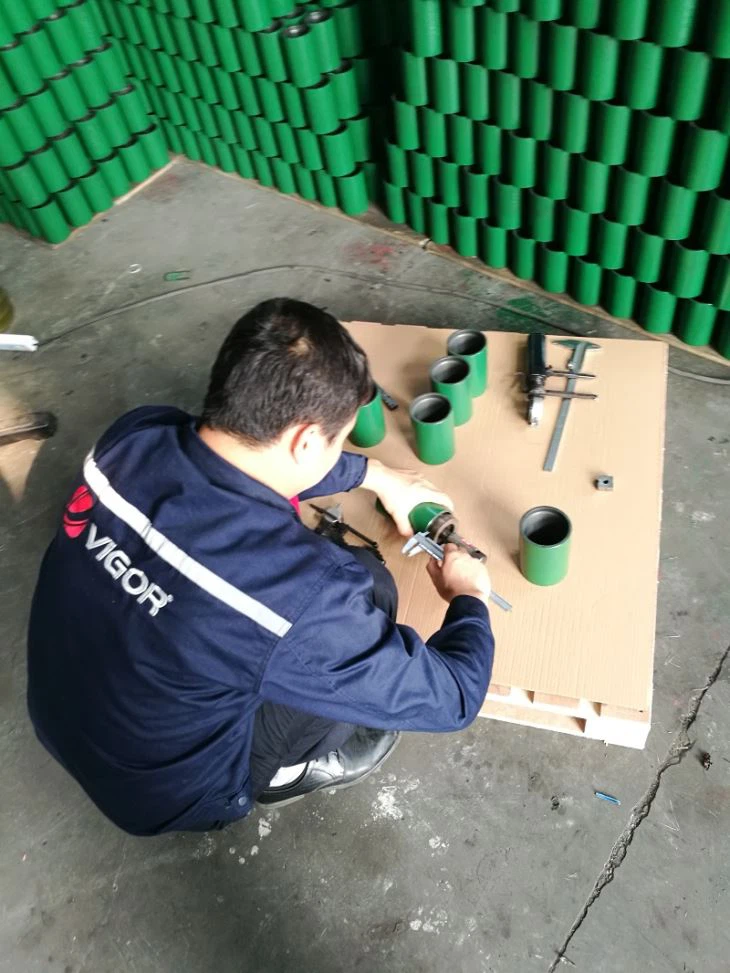
A Coupling is a short piece of pipe that is used to connect two sections of OCTG. It's important to choose a coupling that is compatible with the material and size of the OCTG. There are several different types of couplings available, each with its own unique properties.
6. Slotted Casing
Slotted Casing is a type of casing that has slots or holes in it. These slots allow the oil and gas to flow into the wellbore, while preventing sand and other solids from entering. Slotted casing is often used in wells with unconsolidated formations or in wells where sand control is a concern.
Making the Right Choice
So, how do you make the right choice when it comes to choosing the right material for your OCTG? The key is to do your research and consult with experts in the field. You can also look at case studies and industry reports to see what materials have worked well in similar wells.
It's also a good idea to work with a reputable supplier who can provide you with high-quality OCTG and expert advice. At our company, we have a team of experienced professionals who can help you choose the right material for your specific needs. We offer a wide range of OCTG products, including casing, tubing, drill pipe, and accessories.
If you're interested in learning more about our OCTG products or have any questions about choosing the right material, please don't hesitate to contact us. We'd be happy to help you make an informed decision and get the best value for your money.
Conclusion
Choosing the right material for your OCTG is a crucial decision that can have a big impact on the performance and reliability of your well. By considering the well conditions, corrosion resistance, mechanical properties, and cost, you can make an informed decision and choose the material that's right for you. Remember to do your research, consult with experts, and work with a reputable supplier. And if you have any questions or need further assistance, don't hesitate to reach out. We're here to help you succeed in the oil and gas industry.
References
- API Specification 5CT, “Specification for Casing and Tubing”
- API Specification 5D, “Specification for Drill Pipe”
- NACE International, “Corrosion Basics: An Introduction”