


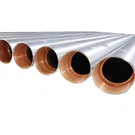


Hey there! As a line pipe supplier, I know how crucial it is to prevent corrosion in line pipes. Corrosion can lead to all sorts of problems, like leaks, reduced pipe lifespan, and increased maintenance costs. In this blog post, I'm gonna share some tips on how to prevent corrosion of line pipes.
Understanding Corrosion in Line Pipes
Before we dive into the prevention methods, let's first understand what causes corrosion in line pipes. Corrosion is basically a chemical reaction between the metal in the pipe and its environment. There are several factors that can contribute to corrosion, including:
- Moisture: Water is one of the main culprits when it comes to corrosion. When metal comes into contact with water, it can form rust and other corrosion products.
- Chemicals: Chemicals in the water or soil, such as acids, alkalis, and salts, can also accelerate corrosion.
- Oxygen: Oxygen is another important factor in corrosion. When metal is exposed to oxygen, it can form metal oxides, which can weaken the pipe and lead to corrosion.
- Temperature: High temperatures can increase the rate of corrosion, especially in the presence of moisture and chemicals.
Prevention Methods
Now that we know what causes corrosion, let's take a look at some ways to prevent it.
1. Coatings
One of the most effective ways to prevent corrosion in line pipes is to apply a protective coating. Coatings act as a barrier between the metal and the environment, preventing moisture, chemicals, and oxygen from coming into contact with the pipe. There are several types of coatings available, including:
- Epoxy Coatings: Epoxy coatings are a popular choice for line pipes because they are highly resistant to corrosion, chemicals, and abrasion. They can be applied to the interior and exterior of the pipe, providing a long-lasting protective layer.
- Fusion-Bonded Epoxy (FBE) Coatings: FBE coatings are a type of epoxy coating that is applied to the pipe using a fusion-bonding process. This process creates a strong, durable bond between the coating and the pipe, providing excellent corrosion protection.
- Polyethylene (PE) Coatings: PE coatings are another popular choice for line pipes. They are lightweight, flexible, and resistant to corrosion, chemicals, and UV radiation. PE coatings can be applied to the exterior of the pipe to provide a protective layer.
2. Cathodic Protection
Cathodic protection is a technique used to prevent corrosion by making the pipe the cathode of an electrochemical cell. This is done by connecting the pipe to a sacrificial anode or an impressed current source. The sacrificial anode or impressed current source provides a flow of electrons to the pipe, which prevents the metal from corroding. There are two main types of cathodic protection:
- Sacrificial Anode Cathodic Protection: In sacrificial anode cathodic protection, a sacrificial anode, such as zinc or magnesium, is connected to the pipe. The sacrificial anode corrodes instead of the pipe, providing protection.
- Impressed Current Cathodic Protection: In impressed current cathodic protection, an external power source is used to provide a flow of electrons to the pipe. This type of cathodic protection is more effective than sacrificial anode cathodic protection, but it is also more expensive.
3. Material Selection
Choosing the right material for your line pipe is also important in preventing corrosion. Some materials are more resistant to corrosion than others, so it's important to choose a material that is suitable for your specific application. Some common materials used for line pipes include:
- Carbon Steel: Carbon steel is a popular choice for line pipes because it is strong, durable, and relatively inexpensive. However, it is also susceptible to corrosion, especially in the presence of moisture and chemicals.
- Stainless Steel: Stainless steel is a corrosion-resistant material that is often used in applications where corrosion is a concern. It contains chromium, which forms a protective oxide layer on the surface of the metal, preventing corrosion.
- CRA Pipe: CRA (Corrosion-Resistant Alloy) pipes are made from alloys that are specifically designed to resist corrosion. They are often used in harsh environments, such as offshore oil and gas production.
4. Proper Installation and Maintenance
Proper installation and maintenance of line pipes are also important in preventing corrosion. Here are some tips to keep in mind:
- Proper Welding: Welding is a critical part of the installation process. It's important to ensure that the welds are properly made and inspected to prevent corrosion at the weld joints.
- Avoiding Scratches and Damage: Scratches and damage to the pipe can expose the metal to the environment, increasing the risk of corrosion. It's important to handle the pipes carefully during installation and avoid any unnecessary damage.
- Regular Inspections: Regular inspections of the line pipes are important to detect any signs of corrosion early on. If corrosion is detected, it can be addressed before it causes serious damage.
- Cleaning and Maintenance: Keeping the line pipes clean and free of debris can also help prevent corrosion. Regular cleaning and maintenance can remove any contaminants that may be present on the surface of the pipe.
Conclusion
Preventing corrosion in line pipes is essential for ensuring the long-term performance and reliability of your pipeline system. By using coatings, cathodic protection, choosing the right material, and proper installation and maintenance, you can significantly reduce the risk of corrosion and extend the lifespan of your line pipes.
If you're in the market for high-quality line pipes or need more information on corrosion prevention, feel free to reach out to us. We're here to help you find the best solutions for your specific needs. Let's start a conversation about your project and see how we can work together to ensure the success of your pipeline system.
References
- Fontana, M. G. (1986). Corrosion Engineering. McGraw-Hill.
- Uhlig, H. H., & Revie, R. W. (1985). Corrosion and Corrosion Control. Wiley.