


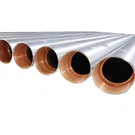


What materials are used to make a Hydro Plug?
As a Hydro Plug supplier, I often get asked about the materials used in the manufacturing of these essential tools. Hydro plugs play a crucial role in various industries, especially in the oil and gas sector, where they are used to isolate sections of a wellbore during completion operations. Understanding the materials used in their construction is vital for ensuring their performance, durability, and safety.
Metallic Materials
One of the primary materials used in making a Hydro Plug is metal. Metals offer several advantages, including high strength, good corrosion resistance, and the ability to withstand high pressures and temperatures.
Steel Alloys: Steel is a commonly used metal in Hydro Plug construction. Different steel alloys are selected based on the specific requirements of the application. For example, high - strength low - alloy (HSLA) steels are often used when the plug needs to withstand high mechanical loads. These steels have a combination of good strength and toughness, which is essential for withstanding the forces exerted during installation and operation in the wellbore. Stainless steels are another option, especially when corrosion resistance is a major concern. They are resistant to rust and other forms of corrosion, making them suitable for use in environments where the plug will be exposed to corrosive fluids such as saltwater or acidic gases.
Aluminum Alloys: Aluminum alloys are also used in some Hydro Plug designs. They are lightweight compared to steel, which can be an advantage in applications where weight is a critical factor, such as in offshore operations. Aluminum alloys also have good corrosion resistance, especially when they are coated or anodized. However, they have lower strength compared to steel, so they are typically used in applications where the pressure and load requirements are relatively low.
Elastomeric Materials
Elastomers are another important class of materials used in Hydro Plugs. They are used to create a seal between the plug and the wellbore, preventing the flow of fluids between different sections of the well.
Nitrile Rubber (NBR): Nitrile rubber is a popular choice for Hydro Plug seals. It has good resistance to oil, fuel, and other hydrocarbons, which are commonly found in oil and gas wells. NBR also has good mechanical properties, such as high tensile strength and elongation, which allow it to form a tight seal even under high pressures. It can operate in a relatively wide temperature range, typically from - 40°C to 120°C, making it suitable for many wellbore environments.
Fluorocarbon Rubber (FKM): Fluorocarbon rubber, also known as Viton, is used in more demanding applications where higher temperature and chemical resistance are required. FKM can withstand temperatures up to 250°C and is highly resistant to a wide range of chemicals, including acids, bases, and solvents. This makes it ideal for use in wells where the fluids are highly corrosive or where the wellbore temperature is very high.
Silicone Rubber: Silicone rubber is used in applications where flexibility and high - temperature resistance are needed. It has excellent flexibility over a wide temperature range, from - 60°C to 200°C. Silicone rubber is also resistant to ozone and weathering, making it suitable for use in both onshore and offshore environments. However, it has relatively poor resistance to oils and fuels compared to NBR and FKM.
Composite Materials
Composite materials are increasingly being used in Hydro Plug manufacturing. They offer a combination of the properties of different materials, allowing for the optimization of performance.


Fiber - Reinforced Polymers (FRP): FRP composites consist of a polymer matrix, such as epoxy or polyester, reinforced with fibers such as glass or carbon. These composites have high strength - to - weight ratios, which can be beneficial in reducing the overall weight of the Hydro Plug. They also have good corrosion resistance and can be designed to have specific mechanical properties by varying the type and orientation of the fibers. For example, carbon fiber - reinforced composites have very high strength and stiffness, making them suitable for applications where high load - bearing capacity is required.
The choice of materials for a Hydro Plug depends on several factors, including the wellbore conditions (such as pressure, temperature, and fluid composition), the installation method, and the required service life of the plug. As a Hydro Plug supplier, we carefully select the materials based on these factors to ensure that our products meet the highest standards of performance and reliability.
In addition to the materials used in the Hydro Plug itself, we also offer a range of related products. For example, our Subsurface Safety Valve TRSSSV is an essential component for ensuring the safety of well operations. It can be used in conjunction with Hydro Plugs to provide an additional layer of protection against uncontrolled fluid flow. Our Disposable Perforating Gun System is another product that can be used in well completion operations, allowing for efficient perforation of the wellbore. And our Wide Range Bridge Plug(VWRB) is designed to provide a reliable seal in a wide range of wellbore sizes and conditions.
If you are in the market for high - quality Hydro Plugs or any of our related products, we invite you to contact us for a detailed discussion about your specific requirements. Our team of experts is ready to assist you in selecting the right materials and products for your well completion operations.
References
- ASM Handbook Volume 1: Properties and Selection: Irons, Steels, and High - Performance Alloys. ASM International.
- Elastomer Technology Handbook. William Andrew Publishing.
- Composite Materials Handbook. Department of Defense.