



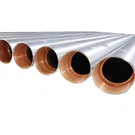


When it comes to marine projects, the choice of materials is crucial for ensuring the longevity, safety, and efficiency of the operations. One of the key components that often comes into question is Oil Country Tubular Goods (OCTG). As a supplier of OCTG, I am frequently asked whether it is suitable for marine projects. In this blog post, I will explore the viability of using OCTG in marine applications, the types of OCTG available, and how to make an informed decision for your project.
The Suitability of OCTG for Marine Projects
Marine environments are harsh and demanding, with factors such as saltwater corrosion, high pressures, and dynamic loads posing significant challenges to the materials used. OCTG, which is designed for use in the oil and gas industry, has several properties that make it a potential candidate for marine projects.
Corrosion Resistance
One of the primary concerns in marine applications is corrosion. Saltwater is highly corrosive, and materials that are not properly protected can deteriorate rapidly. Many types of OCTG are made from corrosion-resistant alloys, such as CRA Pipe CRA Pipe. These alloys are specifically formulated to withstand the corrosive effects of saltwater, making them suitable for use in marine structures such as offshore platforms, pipelines, and subsea equipment.
Strength and Durability
Marine projects often require materials that can withstand high pressures and dynamic loads. OCTG is engineered to have high strength and durability, making it capable of withstanding the harsh conditions encountered in marine environments. Whether it is used for drilling operations, well completion, or pipeline construction, OCTG can provide the necessary strength and reliability to ensure the safety and efficiency of the project.
Compatibility with Existing Systems
In many cases, marine projects may involve the integration of new equipment with existing systems. OCTG is available in a wide range of sizes, grades, and specifications, making it compatible with various types of equipment and systems. This compatibility allows for easy installation and integration, reducing the time and cost associated with the project.
Types of OCTG for Marine Projects
There are several types of OCTG that can be used in marine projects, each with its own unique properties and applications.
Drill Pipe
Drill pipe is used in drilling operations to transmit torque and weight to the drill bit. It is typically made from high-strength steel and is designed to withstand the high pressures and dynamic loads encountered during drilling. Drill pipe is commonly used in offshore drilling rigs to access oil and gas reserves located beneath the seabed.
Casing
Casing is used to line the wellbore and provide structural support to the well. It is typically made from steel and is available in various sizes and grades. Casing is used to prevent the collapse of the wellbore, isolate different formations, and protect the environment from potential contamination. In marine projects, casing is often used in offshore wells to ensure the integrity of the wellbore and prevent the leakage of oil and gas.
Tubing
Tubing is used to transport oil, gas, and other fluids from the well to the surface. It is typically made from steel or corrosion-resistant alloys and is available in various sizes and grades. Tubing is designed to withstand the high pressures and temperatures encountered in the wellbore and to prevent the leakage of fluids. In marine projects, tubing is often used in subsea pipelines to transport oil and gas from offshore platforms to onshore facilities.
Pup Joint
Pup Joints Pup Joint are short sections of OCTG that are used to make up the required length of the drill string or casing. They are typically used in situations where a standard length of OCTG is not available or where a specific length is required for a particular application. Pup joints are available in various sizes and grades and can be customized to meet the specific requirements of the project.
Special Clearance Coupling
Special Clearance Couplings Special Clearance Coupling are used to connect two sections of OCTG together. They are designed to provide a secure and leak-free connection between the pipes and to ensure the integrity of the wellbore. Special clearance couplings are available in various sizes and grades and can be customized to meet the specific requirements of the project.
Making an Informed Decision
When considering using OCTG for a marine project, it is important to make an informed decision based on the specific requirements of the project. Here are some factors to consider:
Project Requirements
The first step in making an informed decision is to understand the specific requirements of the project. This includes the depth of the well, the type of fluid being transported, the operating conditions, and the environmental factors. By understanding these requirements, you can select the appropriate type of OCTG that is best suited for the project.
Material Selection
Once you have identified the specific requirements of the project, the next step is to select the appropriate material for the OCTG. As mentioned earlier, corrosion resistance is a key consideration in marine applications. Therefore, it is important to choose a material that is resistant to saltwater corrosion, such as CRA Pipe. Other factors to consider when selecting the material include strength, durability, and compatibility with existing systems.
Quality and Certification
When purchasing OCTG for a marine project, it is important to ensure that the products meet the required quality standards and certifications. This includes standards such as API (American Petroleum Institute) and ISO (International Organization for Standardization). By purchasing OCTG from a reputable supplier that is certified to meet these standards, you can ensure the quality and reliability of the products.
Cost and Availability
Finally, it is important to consider the cost and availability of the OCTG. While cost is an important factor, it should not be the only consideration. It is important to balance the cost with the quality and performance of the products. Additionally, it is important to ensure that the OCTG is available in a timely manner to meet the project schedule.


Conclusion
In conclusion, OCTG can be a suitable choice for marine projects due to its corrosion resistance, strength, durability, and compatibility with existing systems. However, it is important to make an informed decision based on the specific requirements of the project, the material selection, the quality and certification of the products, and the cost and availability. As a supplier of OCTG, I am committed to providing high-quality products and services to meet the needs of my customers. If you are considering using OCTG for your marine project, I encourage you to contact me to discuss your requirements and to learn more about the products and services that I offer.
References
- API Standards for Oil Country Tubular Goods
- ISO Standards for Materials and Products in the Oil and Gas Industry
- Technical Literature on Corrosion Resistance in Marine Environments