


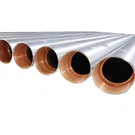


In the dynamic world of business, every detail matters, especially when it comes to the professionalism of a business letter. As a casing supplier, I've seen firsthand how the choice of casing can significantly impact not only the physical product but also the overall impression conveyed in business communications. Let's dive into how casing plays a crucial role in shaping the professionalism of a business letter.
First Impressions Matter
When a client receives a business letter from a casing supplier, the first thing they notice is the overall presentation. The casing details mentioned in the letter can set the tone for the entire interaction. If the letter accurately and clearly describes high - quality casings like Slotted Casing, it immediately signals to the client that the supplier is knowledgeable and meticulous.
For example, a well - written description of slotted casing, including its specifications, applications, and benefits, shows that the supplier has done their homework. This attention to detail in the letter reflects positively on the professionalism of the company. On the other hand, a vague or inaccurate mention of the casing can make the client question the supplier's expertise and reliability.
Technical Accuracy
In the casing industry, technical accuracy is non - negotiable. A business letter that contains incorrect information about casings, such as wrong dimensions, material grades, or manufacturing processes, can be a major red flag. When I'm writing to a potential client, I make sure to double - check all the technical details about products like CRA Pipe.
Accurate technical information not only builds trust but also demonstrates the supplier's in - depth knowledge of the products. For instance, if a client is looking for CRA pipe for a specific corrosive environment, a letter that precisely outlines the corrosion - resistant properties and appropriate applications of the pipe will make a much better impression than one that provides generic or incorrect information.
Brand Image and Consistency
The way casing is presented in a business letter also ties into the brand image of the supplier. A consistent use of high - quality casing terminology and a professional tone throughout the letter helps to reinforce the brand's identity. If a supplier's brand is known for innovation and quality, the letter should reflect this through its description of advanced casing solutions.
For example, when discussing Special Clearance Coupling, the letter can highlight how this unique product is a testament to the company's commitment to providing cutting - edge solutions. Consistency in messaging, from the logo on the letterhead to the language used in the content, creates a cohesive brand image that is easily recognizable and trustworthy.
Tailoring to the Client
Another aspect where casing impacts the professionalism of a business letter is in the ability to tailor the message to the client. Different clients have different needs when it comes to casings. Some may be more concerned about cost - effectiveness, while others prioritize high - performance materials.
A professional business letter will take the time to understand the client's requirements and then customize the description of casings accordingly. For example, if a client is working on a budget - sensitive project, the letter can focus on how certain casings offer a good balance between cost and quality. This personalized approach shows that the supplier values the client's needs and is not just pushing a one - size - fits - all solution.
Building Long - Term Relationships
The professionalism conveyed through a business letter about casing can also have a long - term impact on client relationships. A well - written letter that provides useful information, addresses concerns, and offers solutions can turn a one - time inquiry into a long - term partnership.
When I write to a client, I always aim to provide additional value, such as industry insights or upcoming product developments related to casings. This not only showcases the supplier's expertise but also makes the client feel like they are part of a community. Over time, these positive interactions build trust and loyalty, which are essential for the success of any business in the casing industry.
The Role of Visuals
In some cases, including visuals of casings in the business letter can enhance its professionalism. A clear and high - quality image of a slotted casing or a CRA pipe can help the client better understand the product. However, it's important to ensure that the visuals are relevant, properly labeled, and of good quality.
Visuals can also be used to highlight key features or differences between different types of casings. For example, a side - by - side comparison of a standard coupling and a special clearance coupling can make it easier for the client to see the benefits of the latter.
Language and Tone
The language and tone used in a business letter about casing are also crucial. Avoid using overly technical jargon that the client may not understand, but at the same time, don't oversimplify the information. Strike a balance that is both informative and easy to read.


The tone should be friendly yet professional. A letter that comes across as too pushy or aggressive can turn the client off, while one that is too casual may not be taken seriously. A positive and confident tone, combined with accurate information about casings, can make a strong impression on the client.
Handling Inquiries and Concerns
When a client sends an inquiry about casings, the response in the business letter can make or break the deal. A professional supplier will respond promptly, address all the client's questions in detail, and provide additional information if needed.
For example, if a client asks about the availability of a specific type of casing, the letter should not only give a simple yes or no answer but also provide details about lead times, delivery options, and any potential alternatives. This comprehensive approach shows that the supplier is committed to providing excellent customer service.
Conclusion
In conclusion, the choice of casing and how it is presented in a business letter can have a profound impact on the professionalism of the communication. From creating a good first impression to building long - term relationships, every aspect of the letter, from technical accuracy to language and tone, matters.
As a casing supplier, I understand the importance of getting these details right. If you're in the market for high - quality casings, whether it's slotted casing, CRA pipe, or special clearance coupling, I'd love to have a chat with you. Reach out to me to discuss your specific requirements and explore how our products can meet your needs. Let's start a conversation and see how we can work together to achieve your goals in the casing industry.
References
- General business communication best practices in the manufacturing industry.
- Industry standards and guidelines for casing products.