


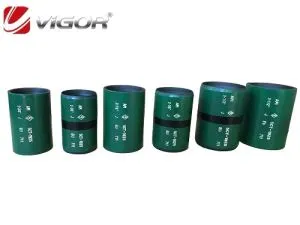
Selecting the right CRA (Corrosion-Resistant Alloy) Pipe for a project is a critical decision that can significantly impact the project's success, longevity, and cost-effectiveness. As a CRA Pipe supplier, I understand the complexities involved in this selection process. In this blog, I'll share some key considerations to help you make an informed choice.
Understanding CRA Pipe
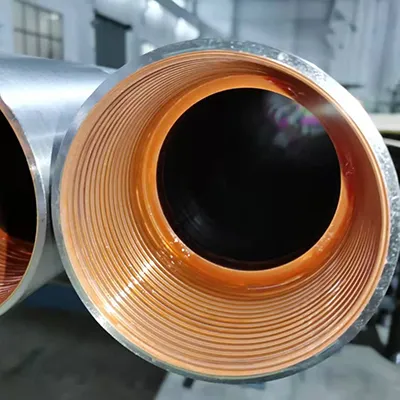
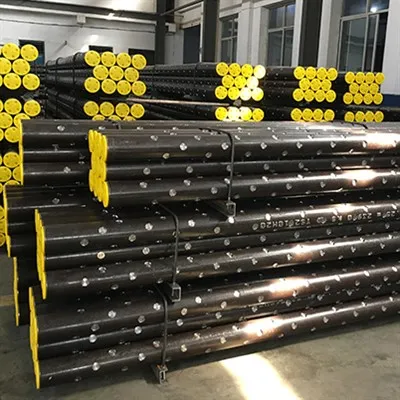
CRA Pipe, as the name suggests, is designed to resist corrosion in harsh environments. It comes in various types, each with its own unique properties and applications. The most common types of CRA Pipe include stainless steel, duplex stainless steel, and nickel-based alloys. These pipes are widely used in industries such as oil and gas, chemical processing, and marine engineering, where corrosion can pose a serious threat to the integrity of the infrastructure.
To learn more about CRA Pipe, you can visit CRA Pipe.
Project Requirements Analysis
The first step in selecting the right CRA Pipe is to thoroughly analyze the project requirements. This involves considering several factors, such as the operating environment, fluid characteristics, pressure and temperature conditions, and design life.
Operating Environment
The operating environment plays a crucial role in determining the type of CRA Pipe required. For example, in offshore oil and gas applications, the pipes are exposed to seawater, which is highly corrosive. In such cases, a high-alloy CRA Pipe, such as a nickel-based alloy, may be required to provide adequate corrosion resistance. On the other hand, in a less corrosive environment, a stainless steel CRA Pipe may be sufficient.
Fluid Characteristics
The characteristics of the fluid flowing through the pipe, such as its chemical composition, pH level, and presence of contaminants, also need to be considered. For instance, if the fluid contains high levels of chloride ions, a duplex stainless steel CRA Pipe may be a better choice due to its superior resistance to chloride-induced corrosion.
Pressure and Temperature Conditions
The pressure and temperature conditions under which the pipe will operate are important factors as well. High-pressure and high-temperature applications require pipes with high strength and good creep resistance. In such cases, a CRA Pipe with a higher alloy content may be necessary.
Design Life
The design life of the project is another crucial consideration. If the project is expected to have a long service life, a more corrosion-resistant CRA Pipe may be required to ensure the pipe's integrity over time.
Material Selection
Once the project requirements have been analyzed, the next step is to select the appropriate CRA Pipe material. As mentioned earlier, there are several types of CRA Pipe materials available, each with its own advantages and limitations.
Stainless Steel
Stainless steel is one of the most commonly used CRA Pipe materials. It offers good corrosion resistance, high strength, and excellent formability. Stainless steel CRA Pipes are suitable for a wide range of applications, including water treatment, food processing, and architectural applications.
Duplex Stainless Steel
Duplex stainless steel combines the properties of austenitic and ferritic stainless steels, offering high strength and excellent corrosion resistance. It is particularly resistant to stress corrosion cracking and pitting corrosion, making it a popular choice for applications in the oil and gas industry.
Nickel-Based Alloys
Nickel-based alloys are known for their exceptional corrosion resistance in extreme environments. They are often used in applications where other materials may fail, such as in the chemical processing industry and in high-temperature and high-pressure applications.
Pipe Dimensions and Specifications
In addition to the material selection, the pipe dimensions and specifications also need to be carefully considered. The pipe diameter, wall thickness, and length should be selected based on the project requirements, such as the flow rate, pressure drop, and installation constraints.
Pipe Diameter
The pipe diameter is an important factor that affects the flow rate and pressure drop in the system. A larger diameter pipe generally allows for a higher flow rate with a lower pressure drop, but it may also be more expensive and require more space for installation.
Wall Thickness
The wall thickness of the pipe is determined by the operating pressure and the corrosion allowance. A thicker wall provides greater strength and corrosion resistance, but it also increases the weight and cost of the pipe.
Length
The pipe length should be selected based on the installation requirements. Longer pipes may reduce the number of joints, which can improve the system's integrity and reduce the risk of leakage. However, longer pipes may also be more difficult to transport and install.
Quality and Certification
When selecting a CRA Pipe for a project, it is essential to ensure that the pipe meets the required quality standards and certifications. Quality control is crucial to ensure the pipe's performance and reliability. Look for pipes that are manufactured in accordance with international standards, such as ASTM, API, and ISO.
Cost Considerations
Cost is always a significant factor in any project. While it may be tempting to choose the cheapest option, it is important to consider the long-term costs associated with the pipe. A high-quality CRA Pipe may have a higher upfront cost, but it can save money in the long run by reducing maintenance and replacement costs.
Installation and Maintenance
Proper installation and maintenance are essential for the performance and longevity of the CRA Pipe. Ensure that the installation is carried out by qualified professionals who follow the manufacturer's recommendations. Regular maintenance, such as inspection and cleaning, can help detect and prevent corrosion and other issues.
Conclusion
Selecting the right CRA Pipe for a project requires careful consideration of several factors, including the project requirements, material selection, pipe dimensions and specifications, quality and certification, cost, and installation and maintenance. As a CRA Pipe supplier, I can provide you with the expertise and guidance you need to make an informed decision.
If you are interested in learning more about our CRA Pipe products or would like to discuss your project requirements, please feel free to contact us. We look forward to working with you to select the right CRA Pipe for your project.
References
- ASM Handbook, Volume 13A: Corrosion: Fundamentals, Testing, and Protection
- ASTM International Standards for CRA Pipe
- API Standards for Line Pipe and OCTG
- ISO Standards for Pipe Manufacturing and Quality Control