


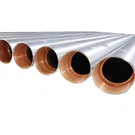


Hey there! I'm a supplier of 7" casing, and I've been in this industry for quite some time. Over the years, I've seen a lot of factors that come into play when it comes to selecting 7" casing. In this blog, I'll share with you some of the key factors that can influence your decision.
1. Well Conditions
The first and most obvious factor is the well conditions. Different wells have different requirements, and you need to choose the 7" casing that can withstand the specific environment of your well.
Depth of the Well
The depth of the well is a crucial factor. Deeper wells usually require stronger and more durable casing. As the depth increases, the pressure and temperature also go up. For instance, in a deep - water well, the hydrostatic pressure can be extremely high. You need a 7" casing that has high - strength steel to resist this pressure without deforming or failing.
Formation Pressure
The pressure exerted by the surrounding rock formations is another consideration. If the formation pressure is high, the casing needs to be able to handle it. A casing with a higher collapse rating is necessary in such cases. For example, in some shale gas wells, the formation pressure can be quite variable, and you need a casing that can adapt to these changes.
Temperature
Temperature can have a significant impact on the performance of the casing. High - temperature environments can cause the steel to lose its strength over time. In geothermal wells, where the temperature can be very high, you might need a special type of steel casing that can maintain its integrity under these extreme conditions.
2. Casing Material
The material of the 7" casing is a major factor in its selection. Different materials offer different properties, and you need to choose the one that suits your well conditions.
Carbon Steel
Carbon steel is the most commonly used material for 7" casing. It's relatively inexpensive and has good mechanical properties. It can handle a wide range of well conditions, from shallow to moderately deep wells. However, it may not be suitable for highly corrosive environments.
CRA Pipe
Corrosion - resistant alloy (CRA) pipes are a great option for wells with corrosive fluids or gases. They are made of materials like stainless steel or nickel - based alloys. CRA pipes can resist corrosion from substances such as hydrogen sulfide and carbon dioxide, which are commonly found in oil and gas wells. But they are more expensive than carbon steel casings.
3. Connection Type
The connection between the casing joints is also very important. There are different types of connections, and each has its own advantages and disadvantages.
Threaded and Coupled
This is the most traditional type of connection. A Coupling is used to join two casing joints together. It's a simple and cost - effective method. However, the threaded area can be a weak point, especially in high - pressure or high - torque applications.
Premium Connection
Premium connections are designed to provide better performance in challenging well conditions. They offer improved sealing, higher torque capacity, and better resistance to axial and radial loads. These connections are more expensive but are worth it for wells with complex conditions.
4. Casing Size and Weight
The size and weight of the 7" casing are important factors to consider.
Outer Diameter
The outer diameter of the casing affects the wellbore size and the amount of cement that can be used for casing cementing. A larger outer diameter may require a larger wellbore, which can increase the drilling cost. On the other hand, a smaller outer diameter may limit the production capacity of the well.
Wall Thickness
The wall thickness of the casing determines its strength. A thicker wall can withstand higher pressures, but it also adds to the weight and cost of the casing. You need to find the right balance between strength and cost based on your well conditions.
Weight
The weight of the casing affects the handling and installation process. Heavier casings may require more powerful drilling equipment and can be more difficult to transport. Lighter casings are easier to handle but may not be suitable for deep or high - pressure wells.
5. Cost
Cost is always a consideration when selecting 7" casing. You need to balance the cost with the performance and durability of the casing.
Initial Cost
The initial cost of the casing includes the cost of the material, manufacturing, and transportation. Carbon steel casings are generally cheaper than CRA pipes. Threaded and coupled connections are less expensive than premium connections. You need to compare the prices of different options and choose the one that fits your budget.
Long - term Cost
The long - term cost includes the cost of maintenance, replacement, and lost production due to casing failure. A more expensive casing with better performance may save you money in the long run by reducing the need for frequent repairs and replacements.
6. Regulatory Requirements
Regulatory requirements can also influence the selection of 7" casing. Different regions have different regulations regarding the use of casing in oil and gas wells.
Safety Standards
Safety standards ensure that the casing can operate safely in the well environment. For example, there may be requirements for the minimum strength and corrosion resistance of the casing. You need to make sure that the casing you choose meets these safety standards.
Environmental Regulations
Environmental regulations may require the use of certain types of materials or connection methods to prevent pollution. For instance, in some areas, the use of certain types of coatings on the casing may be required to protect the environment.
7. Supplier Reputation
As a 7" casing supplier, I know how important it is for you to choose a reliable supplier.
Quality Control
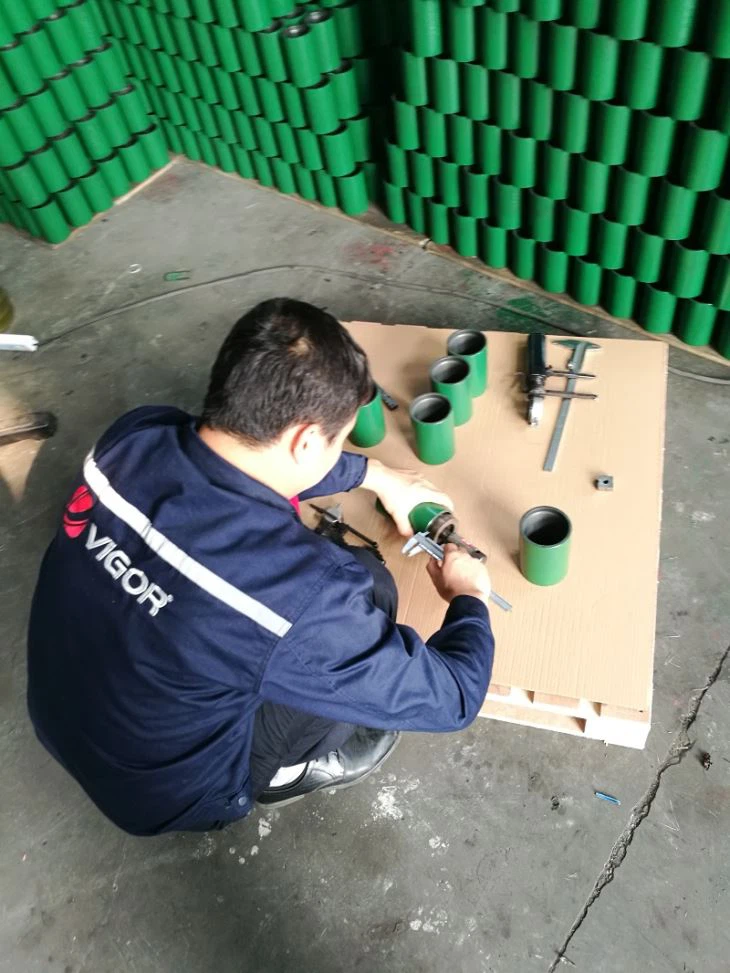
A good supplier will have strict quality control measures in place. They will test the casing for strength, corrosion resistance, and other properties to ensure that it meets the required standards.
Delivery Time
Timely delivery is crucial in the oil and gas industry. A reliable supplier will be able to deliver the casing on time, which can help you avoid delays in your drilling operations.

Customer Service
Good customer service is also important. A supplier who can provide technical support and answer your questions can make the selection process much easier.
If you're in the market for 7" casing and have any questions or need more information, don't hesitate to reach out. I'm here to help you make the best decision for your well. Whether it's about the material, connection type, or any other factor, I can provide you with the expertise and advice you need. Let's have a chat and see how we can work together to meet your casing needs.
References
- API Specification 5CT: Specification for Casing and Tubing
- ISO 11960: Petroleum and natural gas industries — Steel pipes for use as casing or tubing for wells