


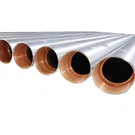


As an OCTG API supplier, I'm often asked about the hardness properties of OCTG API materials. Understanding these properties is crucial for anyone involved in the oil and gas industry, as it directly impacts the performance and longevity of the products. So, let's dive into the fascinating world of OCTG API materials and explore their hardness characteristics.
What is OCTG API?
First off, let me quickly explain what OCTG API means. OCTG stands for Oil Country Tubular Goods, which are essentially pipes used in the oil and gas industry. These pipes come in different types, like Tubing, Casing, and Line Pipe. API, on the other hand, refers to the American Petroleum Institute, which sets the standards for these materials. API standards ensure that the OCTG products meet specific quality and performance requirements.
Why Hardness Matters
Hardness is a key property of OCTG API materials. It's a measure of a material's resistance to deformation, particularly when it comes to indentation, scratching, or cutting. In the harsh environments of oil and gas drilling and production, pipes need to be tough. They're subjected to high pressures, abrasion from the drilling mud and rock formations, and corrosion from various chemicals in the wellbore.
If the pipes aren't hard enough, they can wear out quickly, leading to leaks, blockages, or even catastrophic failures. This not only costs a fortune in repairs and replacements but also poses a significant safety risk. On the other hand, if the pipes are too hard, they can become brittle and prone to cracking, which is just as bad. So, finding the right balance of hardness is essential.
Factors Affecting Hardness
Several factors influence the hardness of OCTG API materials. The first and most obvious is the chemical composition of the steel. Different alloying elements, such as carbon, manganese, chromium, and nickel, can significantly affect the hardness of the material. For example, carbon is a common alloying element that increases hardness. As the carbon content in steel goes up, so does its hardness. However, too much carbon can also make the steel brittle.
The manufacturing process also plays a major role. Heat treatment is a critical step in the production of OCTG pipes. Through processes like quenching and tempering, the microstructure of the steel can be altered to achieve the desired hardness. Quenching involves rapidly cooling the steel from a high temperature, which hardens it. Tempering, on the other hand, is a subsequent heat treatment that reduces the brittleness caused by quenching and improves the toughness of the material.
The rolling and forming processes used to shape the pipes can also affect hardness. Cold working, for instance, can increase the hardness of the steel by introducing defects into its crystal structure. But this process needs to be carefully controlled to avoid excessive hardening and brittleness.
Measuring Hardness
There are several methods for measuring the hardness of OCTG API materials. One of the most common is the Rockwell hardness test. In this test, a small indenter is pressed into the surface of the material with a specified force, and the depth of the indentation is measured. The Rockwell hardness number is then calculated based on this depth. The test is quick, easy, and relatively non - destructive, making it a popular choice for quality control in the manufacturing process.
Another widely used method is the Brinell hardness test. This test uses a larger indenter (usually a hard steel or tungsten carbide ball) and a higher applied force. The diameter of the indentation left on the material's surface is measured, and the Brinell hardness number is calculated. The Brinell test is more suitable for measuring the hardness of large, thick - walled specimens.
The Vickers hardness test is also used, especially for measuring the hardness of small or thin - walled samples. In this test, a diamond indenter in the shape of a square pyramid is pressed into the material, and the size of the indentation is measured under a microscope. The Vickers hardness number is then determined based on the applied force and the area of the indentation.
Hardness Requirements for Different OCTG Products
Different types of OCTG products have different hardness requirements based on their specific applications.
Tubing: Tubing is used to convey oil, gas, or other fluids from the reservoir to the surface. It needs to be hard enough to resist abrasion from the flow of fluids and any solid particles they may carry. At the same time, it should have sufficient toughness to withstand the bending and torsion forces during installation and operation. API standards specify a range of hardness values for tubing, depending on the grade and wall thickness.


Casing: Casing is used to line the wellbore and provide structural support. It's subjected to high external pressures from the surrounding rock formations, as well as internal pressures from the fluid inside the well. The hardness of casing is critical for ensuring its ability to withstand these pressures without collapsing or deforming. API standards also define strict hardness requirements for casing to ensure its integrity over the life of the well.
Line Pipe: Line pipes are used to transport oil, gas, or other fluids over long distances. They need to be resistant to corrosion and have good mechanical properties, including hardness. The hardness of line pipes affects their resistance to dents, scratches, and other forms of damage during handling, installation, and operation. API standards for line pipes have specific hardness limits to ensure their reliability and safety.
Impact of Hardness on Corrosion Resistance
Interestingly, the hardness of OCTG API materials can also have an impact on their corrosion resistance. In general, harder steels tend to have better resistance to abrasive wear, which can help prevent the initiation of corrosion. However, if the hardness is too high, it can lead to the formation of residual stresses in the material. These stresses can promote the development of corrosion cracks, especially in the presence of corrosive environments such as those containing hydrogen sulfide or carbon dioxide.
To mitigate this risk, careful control of the hardness and the use of appropriate corrosion - resistant coatings or inhibitors are often necessary. By maintaining the right balance of hardness and using proper corrosion protection measures, the service life of OCTG pipes can be significantly extended.
Conclusion
In conclusion, the hardness properties of OCTG API materials are complex and crucial for their performance in the oil and gas industry. As an OCTG API supplier, I understand the importance of providing products that meet the strict hardness requirements set by API standards. Whether you're in need of Tubing, Casing, or Line Pipe, we have the expertise and resources to ensure that you get high - quality, reliable products.
If you're interested in learning more or are looking to make a purchase, don't hesitate to reach out. We're here to help you find the right OCTG solutions for your specific needs. Let's start a conversation and see how we can work together to meet your requirements.
References
- American Petroleum Institute. API Standards for Oil Country Tubular Goods.
- ASM Handbook of Metals. Volume 1: Properties and Selection: Irons, Steels, and High - Performance Alloys.