


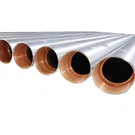


Fracturing, also known as hydraulic fracturing or fracking, is a well - stimulation technique used to release petroleum, natural gas, or other substances for extraction. As a fracturing supplier, I have witnessed firsthand both the positive and negative impacts that this process can have on the agricultural sector. In this blog, I will delve into the various ways in which fracturing intersects with and affects agriculture.
Positive Impacts
Economic Benefits
One of the most significant positive impacts of fracturing on the agricultural sector is the potential for economic growth in rural areas. When fracturing operations are established in an area, they often bring in a large number of workers. These workers need housing, food, and other services, which can create new business opportunities for local farmers and agribusinesses. For example, farmers may find new markets for their produce by supplying local restaurants and grocery stores that serve the fracturing workforce.
Moreover, the increased economic activity can lead to higher property values in the region. This can be beneficial for farmers who own land, as it may increase the overall value of their agricultural operations. Additionally, some landowners may earn extra income by leasing their land for fracturing activities. This additional revenue can be used to invest in new farming equipment, improve irrigation systems, or expand their agricultural production.
Infrastructure Development
Fracturing projects often require the construction of new infrastructure, such as roads, pipelines, and storage facilities. This infrastructure development can also benefit the agricultural sector. Improved roads can make it easier for farmers to transport their products to market, reducing transportation costs and improving access to larger consumer markets. Pipelines can also be used to transport water, which is essential for irrigation. In some cases, the water used in fracturing operations can be treated and reused for agricultural purposes after the fracturing process is complete.


Negative Impacts
Water Resource Competition
One of the most pressing concerns regarding fracturing and the agricultural sector is the competition for water resources. Fracturing is a water - intensive process, requiring large volumes of water to be injected into the ground at high pressure to break up rock formations and release the trapped hydrocarbons. In regions where water is already scarce, such as arid and semi - arid areas, this can lead to significant competition between fracturing operations and agriculture for limited water supplies.
Farmers rely on water for irrigation to grow crops, and any reduction in the available water can have a direct impact on their yields. In some cases, fracturing companies may outbid farmers for water rights, leaving farmers with less water to sustain their agricultural activities. Additionally, the withdrawal of large amounts of water for fracturing can also affect groundwater levels, which can lead to land subsidence and damage to agricultural infrastructure such as wells and irrigation systems.
Water Contamination
Another major concern is the potential for water contamination. Fracturing fluids contain a variety of chemicals, some of which can be toxic to humans, animals, and plants. If these chemicals leak into groundwater or surface water sources, they can contaminate the water supply used by farmers for irrigation and livestock watering.
For example, the presence of heavy metals, such as lead and mercury, in contaminated water can accumulate in the soil and be taken up by crops, posing a risk to human health when these crops are consumed. Additionally, the chemicals used in fracturing can also disrupt the natural balance of the soil, affecting soil fertility and the growth of crops.
Land Use and Habitat Disruption
Fracturing operations require a significant amount of land for well pads, access roads, and storage facilities. This can lead to the fragmentation and loss of agricultural land. Farmers may lose access to parts of their land, which can reduce their overall arable land area and limit their ability to expand their farming operations.
Moreover, the construction of fracturing infrastructure can also disrupt wildlife habitats. Many agricultural areas are home to a variety of wildlife species, and the disturbance caused by fracturing activities can displace these animals and disrupt their natural ecosystems. This can have a cascading effect on the agricultural ecosystem, as wildlife plays an important role in pollination, pest control, and soil health.
Technologies and Mitigation Strategies
As a fracturing supplier, we are constantly working to develop and implement technologies and strategies that can minimize the negative impacts of fracturing on the agricultural sector. For example, we offer a range of Cast Iron Bridge Plug that can help to isolate different zones in a well, reducing the risk of fluid migration and contamination. These bridge plugs are designed to provide a reliable seal, ensuring that fracturing fluids are contained within the targeted formation.
Another important tool in our arsenal is the Mechanical Cement Retainer (VMCR). This device helps to secure the cement in the wellbore, preventing the leakage of fluids and gases. By using high - quality cement retainers, we can improve the integrity of the well and reduce the potential for environmental contamination.
In addition, our Regular Long Perforating Gun is designed to create precise perforations in the rock formation, maximizing the efficiency of the fracturing process while minimizing the need for excessive water and chemicals. This can help to reduce the overall environmental impact of fracturing operations.
Mitigating the Overall Impact
To further mitigate the negative impacts of fracturing on the agricultural sector, it is essential to establish clear regulations and guidelines. Governments should enforce strict water management policies to ensure that there is a fair allocation of water resources between fracturing operations and agriculture. For example, setting limits on the amount of water that can be withdrawn for fracturing and requiring fracturing companies to implement water recycling and reuse programs can help to reduce the competition for water.
Fracturing companies should also engage in open dialogue with local farmers and communities. By working together, they can develop strategies to minimize the impact of fracturing on agricultural land and water resources. For example, companies can provide financial compensation to farmers for any damage caused to their land or water supplies.
Conclusion
Fracturing has both positive and negative impacts on the agricultural sector. While it can bring economic benefits and infrastructure development, it also poses significant challenges in terms of water resource competition, water contamination, and land use disruption. As a fracturing supplier, we are committed to developing and using technologies that can minimize these negative impacts.
We believe that through collaboration between fracturing companies, farmers, and government agencies, we can find a balance that allows for the sustainable development of both the energy and agricultural sectors. If you are interested in learning more about our fracturing products and how they can be used to mitigate the impact on the agricultural sector, or if you are considering purchasing our products for your fracturing operations, we encourage you to reach out for a procurement discussion.
References
- Havens, J. D., & McDaniel, M. K. (2015). Hydraulic fracturing and land use: A review. Renewable and Sustainable Energy Reviews, 48, 113 - 122.
- Jackson, R. B., Vengosh, A., Darrah, T. H., Warner, N. R., & Down, A. (2013). The environmental costs and benefits of hydraulic fracturing. Annual Review of Environment and Resources, 38, 39 - 64.
- Vidic, R. D., Brantley, S. L., Vandenbossche, J. M., Yoxtheimer, D., & Abad, J. D. (2013). Impact of shale gas development on regional water quality. Science, 340(6134), 1368 - 1372.