



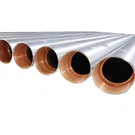


Fracturing, also known as hydraulic fracturing or fracking, is a well - established technique in the oil and gas industry. As a fracturing supplier, I have witnessed its widespread application and understand its significance in extracting hydrocarbons from deep - seated rock formations. However, it is crucial to examine the long - term effects of fracturing, both positive and negative, to ensure a balanced view of this technology.
Positive Long - Term Effects of Fracturing
Energy Security
One of the most significant long - term positive effects of fracturing is its contribution to energy security. By enabling the extraction of oil and gas from previously inaccessible or uneconomical reserves, fracturing has increased domestic energy production in many countries. For example, in the United States, the shale revolution driven by fracturing has transformed the nation from a net energy importer to a net exporter in some cases. This enhanced energy security reduces dependence on foreign oil and gas supplies, which can be subject to geopolitical tensions and price fluctuations.
Economic Growth
Fracturing has also spurred long - term economic growth. The development of shale plays has created jobs in various sectors, including drilling, equipment manufacturing, and support services. These jobs range from high - skilled engineering positions to more entry - level labor jobs, providing employment opportunities for a diverse workforce. Additionally, the increased production of oil and gas has led to lower energy prices for consumers and businesses, which can stimulate economic activity in other sectors. The revenue generated from the oil and gas industry through taxes and royalties also contributes to local and state budgets, funding infrastructure projects, education, and other public services.
Technological Advancements
The need to improve the efficiency and effectiveness of fracturing operations has driven significant technological advancements. These include the development of more precise drilling techniques, better fracturing fluids, and advanced monitoring systems. For instance, the use of Dissolvable Frac Ball has revolutionized the process of isolating different zones in a well during fracturing. These balls are designed to dissolve after a certain period, eliminating the need for costly and time - consuming retrieval operations. Other tools such as the Mule Shoe and VR - D Double Grip Retrievable Packer have also enhanced the safety and reliability of well completion operations. These technological improvements not only benefit the fracturing industry but can also have spill - over effects in other industries that require similar engineering and manufacturing expertise.
Negative Long - Term Effects of Fracturing
Environmental Impact
One of the most debated long - term effects of fracturing is its environmental impact. Water contamination is a major concern. Fracturing operations require large volumes of water, which are mixed with chemicals and sand to create the fracturing fluid. There is a risk that this fluid, along with the produced water that returns to the surface after fracturing, can contaminate groundwater sources if not properly managed. Chemicals in the fracturing fluid, such as heavy metals and volatile organic compounds, can pose a threat to human health and the environment.
Another environmental issue is the release of greenhouse gases. Methane, a potent greenhouse gas, can be released during the fracturing process, from wellhead emissions, and during the transportation and storage of oil and gas. Although natural gas is considered a cleaner - burning fuel compared to coal and oil, the leakage of methane can offset some of its climate benefits. Additionally, the large - scale land use associated with fracturing operations can disrupt ecosystems, fragment wildlife habitats, and lead to soil erosion.


Seismic Activity
Fracturing has also been linked to an increase in seismic activity in some regions. The injection of large volumes of fluid into the ground during fracturing can increase the pore pressure in the rock formations, which can reactivate pre - existing faults. While most of these induced earthquakes are small and go unnoticed, there have been cases where larger magnitude earthquakes have occurred, causing damage to infrastructure and raising concerns among local communities.
Social and Community Impacts
The rapid expansion of fracturing operations can have significant social and community impacts. In areas where fracturing is taking place, there can be an influx of workers, which can strain local resources such as housing, schools, and healthcare facilities. Noise pollution from drilling rigs and truck traffic can also disrupt the quality of life for residents. Moreover, the potential environmental risks associated with fracturing can create social divisions within communities, with some residents supporting the economic benefits of the industry while others are concerned about the environmental and health impacts.
Mitigating the Negative Effects
As a fracturing supplier, we are committed to minimizing the negative long - term effects of fracturing. We work closely with our clients to ensure that best practices are followed in all aspects of fracturing operations. For water management, we promote the use of advanced water treatment technologies to recycle and reuse the produced water, reducing the demand for fresh water and minimizing the risk of water contamination.
In terms of greenhouse gas emissions, we support the development and implementation of technologies to capture and reduce methane leakage. This includes the use of improved wellhead equipment and monitoring systems to detect and repair leaks in a timely manner.
To address the issue of seismic activity, we advocate for the use of advanced seismic monitoring systems. These systems can detect small changes in seismic activity during fracturing operations, allowing operators to adjust their operations if necessary to prevent larger earthquakes.
For social and community impacts, we encourage our clients to engage in meaningful dialogue with local communities. This includes providing information about the fracturing process, addressing concerns, and involving community members in decision - making processes. We also support initiatives to invest in local infrastructure and community development projects to offset the strain on local resources.
Conclusion
Fracturing is a complex technology with both long - term positive and negative effects. On one hand, it has the potential to enhance energy security, drive economic growth, and stimulate technological advancements. On the other hand, it poses significant environmental, seismic, and social challenges. As a fracturing supplier, we recognize the importance of balancing these factors. We are dedicated to providing high - quality products and services that not only meet the needs of the industry but also prioritize environmental protection and social responsibility.
If you are interested in learning more about our fracturing products or services, or if you have any questions regarding the long - term effects of fracturing and how we can mitigate them, we invite you to contact us for a procurement discussion. We look forward to working with you to achieve sustainable and responsible fracturing operations.
References
- King, G. E. (2012). Thirty years of gas shale fracturing: What have we learned? SPE Hydraulic Fracturing Technology Conference and Exhibition.
- Osborn, S. G., Vengosh, A., Warner, N. R., & Jackson, R. B. (2011). Methane contamination of drinking water accompanying gas - well drilling and hydraulic fracturing. Proceedings of the National Academy of Sciences, 108(20), 8172 - 8176.
- Ellsworth, W. L. (2013). Injection - induced earthquakes. Science, 341(6142), 1225942.