


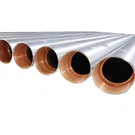


Hey there! As a supplier of CRA (Corrosion-Resistant Alloy) pipes, I've been involved in numerous CRA pipe projects. In this blog, I'll walk you through the project execution processes for CRA Pipe projects.
Project Initiation
The first step in any CRA pipe project is project initiation. This is where the client comes to us with their requirements. They might be in the oil and gas industry, chemical processing, or some other sector that needs corrosion-resistant pipes. We sit down with them and have a detailed chat about what they need. We ask about the project's scale, the environment where the pipes will be used, and the expected lifespan of the pipes.
For example, if it's an offshore oil rig project, the pipes need to withstand harsh saltwater conditions and high pressures. We also look at the budget they've allocated for the pipes. This initial meeting helps us understand the client's needs and sets the foundation for the rest of the project.
Feasibility Study
After the initial meeting, we conduct a feasibility study. We need to figure out if we can actually meet the client's requirements. This involves looking at our production capabilities, the availability of raw materials, and the time frame the client has in mind.
We check if we have the right manufacturing processes to produce the CRA pipes with the required specifications. Sometimes, the client might need pipes with a specific thickness or a particular alloy composition. We also consider the market availability of the raw materials. If a particular alloy is in short supply, it could affect the project's feasibility.
If we find that we can't meet the client's requirements, we'll have an honest conversation with them and suggest alternative solutions. Maybe we can recommend a different type of pipe or a modified alloy that can still work for their project.
Design and Engineering
Once the feasibility study is complete and we've determined that the project is doable, we move on to the design and engineering phase. Our team of engineers gets to work on creating detailed designs for the CRA pipes. They use advanced software to model the pipes and make sure they meet all the technical requirements.
We take into account factors like the pressure the pipes will need to handle, the temperature variations they'll be exposed to, and the corrosion resistance needed. For instance, if the pipes are going to be used in a high-temperature chemical processing plant, we'll design them to withstand the heat without losing their corrosion resistance.
During this phase, we also work closely with the client to get their feedback on the design. We want to make sure they're happy with the proposed design before we move forward with manufacturing.
Procurement of Raw Materials
After the design is finalized, it's time to procure the raw materials. We source the alloys and other materials from reliable suppliers. We have a strict quality control process in place to ensure that the raw materials meet our high standards.
We look for suppliers who can provide us with the right quantity of materials within the required time frame. We also negotiate the prices to get the best deal for our clients. Once the raw materials are delivered, we conduct further quality checks to make sure they're suitable for manufacturing the CRA pipes.
Manufacturing
The manufacturing phase is where the magic happens. We use state-of-the-art manufacturing processes to turn the raw materials into high-quality CRA pipes. We have different types of pipes in our product range, like Flow Coupling, Cold Rolled Pipe, and Casing.


We start by melting the alloys in a furnace and then shaping them into the desired pipe dimensions. We use processes like hot rolling, cold rolling, and extrusion to achieve the right size and shape. Throughout the manufacturing process, we have strict quality control measures in place. Our quality control team checks the pipes at various stages to make sure they meet all the specifications.
We also conduct tests on the pipes to ensure their mechanical properties and corrosion resistance. For example, we might perform a tensile test to check the pipes' strength or a corrosion test to see how well they resist rust and other forms of corrosion.
Quality Assurance and Testing
Quality assurance is a crucial part of the project execution process. We have a comprehensive quality assurance program that covers every aspect of the project, from the raw materials to the finished pipes.
In addition to the in-process quality checks during manufacturing, we also conduct final tests on the completed pipes. We use non-destructive testing methods like ultrasonic testing and X-ray testing to detect any internal defects in the pipes. We also perform destructive testing, such as cutting samples from the pipes and analyzing them in a laboratory.
Once the pipes pass all the tests, we issue a quality certificate to the client, indicating that the pipes meet all the required standards.
Packaging and Shipping
After the pipes have passed all the quality tests, we move on to packaging and shipping. We package the pipes carefully to prevent any damage during transportation. We use materials like wooden crates or steel bands to secure the pipes.
We work with reliable shipping companies to ensure that the pipes are delivered to the client's site on time. We also provide the client with tracking information so they can monitor the progress of their shipment.
Installation and Commissioning Support
Even after the pipes are delivered to the client's site, our work isn't done. We offer installation and commissioning support to make sure the pipes are installed correctly and start working as expected.
Our technical experts can visit the site and provide guidance to the client's installation team. We'll make sure that the pipes are installed according to the design specifications and that all the connections are properly made.
During the commissioning phase, we help the client start up the system and make any necessary adjustments. We'll also train the client's staff on how to operate and maintain the CRA pipes.
After-Sales Service
We believe in providing excellent after-sales service to our clients. We offer a warranty on our CRA pipes and are always available to address any issues that might arise after the project is completed.
If the client has any questions or concerns about the pipes, they can contact our customer service team, and we'll do our best to resolve them quickly. We also provide regular maintenance advice to help the client extend the lifespan of the pipes.
Conclusion
In conclusion, the project execution processes for CRA Pipe projects involve a series of well-defined steps, from project initiation to after-sales service. Each step is crucial to ensuring the success of the project and the satisfaction of our clients.
If you're in the market for CRA pipes and are interested in starting a project, I'd love to have a chat with you. We can discuss your requirements in detail and see how we can help you with your project. Whether you need Flow Coupling, Cold Rolled Pipe, or Casing, we've got you covered. Reach out to us, and let's start working on your project together!
References
- Industry standards for CRA pipes
- Internal company records and project reports