


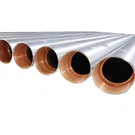


Hey there! I'm a supplier of SAW OCTG (Submerged Arc Welded Oil Country Tubular Goods). In the oil and gas industry, getting the right transportation for SAW OCTG is super crucial. Let's dive into what those transportation requirements are.
First off, let's talk about why proper transportation matters. SAW OCTG is used in drilling and production operations in the oil and gas fields. These pipes are heavy, long, and often very expensive. Any damage during transportation can lead to huge losses, not to mention delays in projects. So, having a solid transportation plan is a must.
Size and Weight Considerations
SAW OCTG pipes come in all sorts of sizes and weights. They can be as short as a few feet or as long as 40 feet or more. And they're heavy, like really heavy. This means that the transportation vehicles need to be able to handle the size and weight.
For smaller quantities or shorter pipes, trucks can be a good option. But you gotta make sure the truck has a strong enough chassis and suspension to carry the load. Flatbed trucks are often used because they allow for easy loading and unloading of the pipes. The pipes can be secured on the flatbed using straps or chains to prevent them from shifting during transit.
When it comes to larger quantities or longer pipes, rail transport might be a better choice. Rail cars can carry a much heavier load compared to trucks. Specialized rail cars are designed to transport long pipes. They have racks or supports to hold the pipes in place. However, rail transport has its own limitations. You need to have access to a railway siding near the production facility and the destination. And there can be delays due to rail traffic and scheduling.
Protection During Transit
SAW OCTG pipes are prone to damage during transportation. They can get scratched, dented, or even bent if not properly protected. To prevent this, the pipes are usually coated with a protective layer before transportation. This coating can be a paint or a plastic wrap that helps to keep the pipes from getting damaged by abrasion or corrosion.
In addition to the coating, the pipes are often bundled together. Bundling not only makes it easier to handle the pipes but also provides some protection. The bundles are usually wrapped with steel bands or plastic straps to hold them together. And between the pipes in the bundle, there are often spacers made of wood or plastic to prevent them from rubbing against each other.
Another important aspect of protection is the use of end caps. End caps are placed on the ends of the pipes to prevent dirt, debris, and water from getting inside. This is especially important because any contamination inside the pipes can affect their performance in the oil and gas wells. There are different types of end caps available, such as plastic end caps and metal end caps. The choice of end cap depends on the type of pipe and the transportation conditions.
Regulatory Requirements
Transporting SAW OCTG is subject to various regulations. These regulations are in place to ensure the safety of the transportation process and to protect the environment. For example, there are regulations regarding the maximum weight and size of the load that can be transported on roads and railways. You need to comply with these regulations to avoid fines and legal issues.
There are also regulations regarding the labeling and documentation of the transported goods. The pipes need to be labeled with information such as the pipe size, grade, and the manufacturer. And there needs to be proper documentation that includes details about the quantity, weight, and destination of the pipes. This documentation is important for customs clearance and for tracking the shipment.
Specialized Equipment and Handling
Transporting SAW OCTG often requires specialized equipment for loading and unloading. Cranes are commonly used to lift the pipes onto trucks or rail cars. These cranes need to be properly maintained and operated by trained personnel to ensure safety.
Forklifts can also be used for smaller pipes or bundles. But they need to have the right attachments to handle the pipes safely. For example, there are fork attachments that are designed to grip the pipes without causing damage.
When it comes to long pipes, there are special handling techniques. For instance, the pipes need to be lifted at multiple points to prevent bending. And during loading and unloading, the pipes need to be aligned properly to avoid any collisions or damage.
International Transportation
If you're transporting SAW OCTG internationally, there are even more considerations. You need to deal with customs clearance, which can be a complex process. You need to provide all the necessary documentation, including the bill of lading, commercial invoice, and packing list.
Shipping by sea is a common option for international transportation. Container ships can carry a large number of pipes. But you need to make sure the pipes are properly packed and secured inside the containers. And there are regulations regarding the stowage of the containers on the ship to ensure stability.
Compatibility with Related Products
SAW OCTG is often used in conjunction with other products in the oil and gas industry. For example, Flow Coupling is used to connect the pipes together. When transporting SAW OCTG, you need to consider the compatibility of the transportation requirements with these related products.
If you're transporting SAW OCTG along with CRA Pipe or Line Pipe, you need to make sure that they can be transported together safely. The different types of pipes might have different size, weight, and protection requirements. So, you need to plan the transportation accordingly.
Cost Considerations
Cost is always a major factor when it comes to transportation. You need to find a balance between the cost of transportation and the safety and reliability of the shipment. Truck transport is usually more expensive per ton-mile compared to rail transport. But it offers more flexibility in terms of delivery time and destination.
When choosing a transportation method, you also need to consider the additional costs such as insurance, loading and unloading fees, and customs duties (for international shipments). You can get quotes from different transportation providers and compare them to find the most cost-effective option.
Conclusion
As a SAW OCTG supplier, I know how important it is to meet the transportation requirements. Proper transportation ensures that the pipes reach the destination in good condition and on time. It involves considering factors such as size and weight, protection, regulatory requirements, specialized equipment, and cost.
If you're in the market for SAW OCTG and need reliable transportation solutions, I'd love to have a chat with you. We can discuss your specific needs and come up with a transportation plan that works for you. Whether it's a small order or a large project, we've got the expertise to handle it. So, don't hesitate to reach out for a procurement discussion.


References
- Industry standards and regulations related to the transportation of oil country tubular goods.
- Manufacturer's guidelines for the transportation of SAW OCTG.
- Experience and knowledge gained from years of supplying SAW OCTG and dealing with transportation.