




What is the role of coupling in risk management?
Hey there! I'm a supplier of Coupling, and today I want to chat about the role of coupling in risk management. Coupling, as you might know, is a crucial component in many industries, especially in the oil and gas sector. You can learn more about Coupling on this page: Coupling.
Let's first understand what coupling is. In simple terms, a coupling is a device used to connect two shafts together at their ends for the purpose of transmitting power. In the context of the oil and gas industry, couplings are used to connect different sections of pipes, like the D10 Coupling which has its specific applications.

Now, when it comes to risk management, coupling plays several vital roles. One of the primary risks in the oil and gas industry is the leakage of fluids from pipelines. A faulty coupling can lead to significant leaks, which not only result in the loss of valuable resources but also pose a serious environmental threat. For example, if there's a leak in a pipeline carrying crude oil, it can contaminate the soil, water sources, and have a long - term impact on the ecosystem.
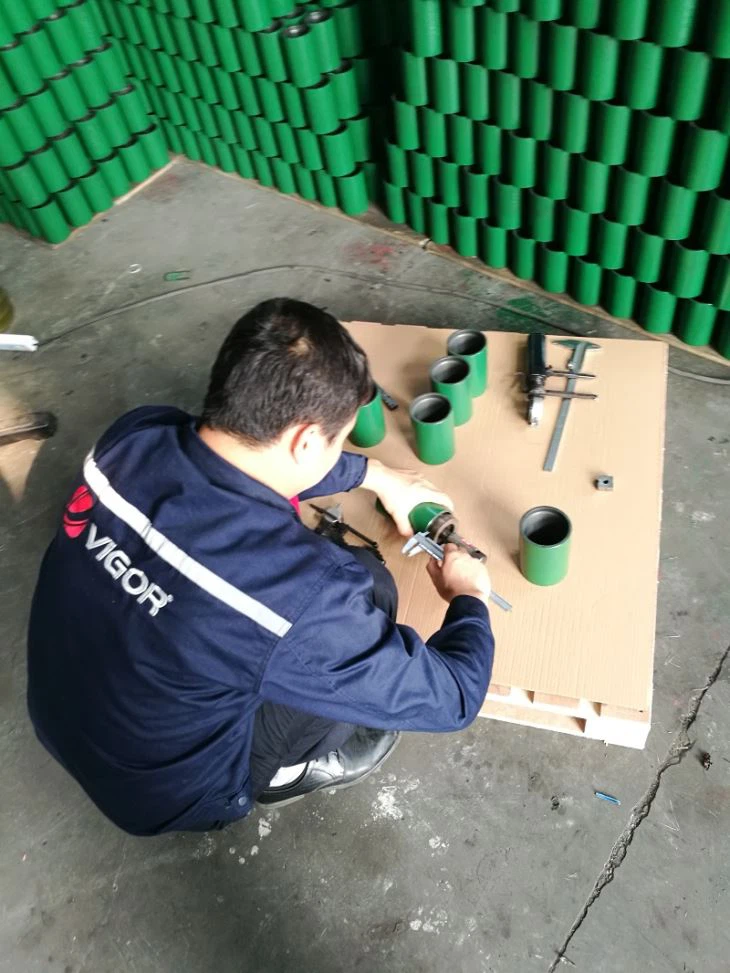
A high - quality coupling helps to mitigate this risk. By providing a secure and tight connection between pipe sections, it reduces the chances of leakage. Our couplings are designed with precision engineering to ensure a proper seal. They are made from high - grade materials that can withstand high pressures and harsh environmental conditions. This means that even in extreme situations, such as deep - sea drilling or high - pressure pipelines on land, the coupling maintains its integrity and prevents leaks.
Another risk in the industry is mechanical failure. Pipelines are subject to various forces, including vibration, stress, and fatigue. Over time, these forces can cause wear and tear on the couplings. If a coupling fails mechanically, it can lead to a pipeline rupture, which is a major safety hazard. Workers on site are at risk of injury or even death, and there can be significant downtime for the operation.
Our couplings are built to be durable. We use advanced manufacturing techniques to create couplings that can resist mechanical stress. For instance, the couplings are heat - treated to increase their strength and hardness. This makes them less likely to break or deform under normal operating conditions. By using reliable couplings, companies can reduce the risk of mechanical failures and ensure the safety of their operations.
In addition to physical risks, there are also financial risks associated with coupling. A poorly designed or low - quality coupling may need to be replaced frequently. This incurs additional costs for the company, including the cost of the new coupling, labor for replacement, and the cost of downtime during the replacement process. On the other hand, investing in high - quality couplings like the ones we supply can save money in the long run. Although the initial cost may be higher, the reduced need for replacements and the lower risk of costly breakdowns make it a more cost - effective option.
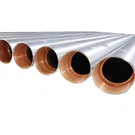
Let's talk about the role of coupling in maintaining the integrity of the entire pipeline system. A pipeline is like a chain, and each coupling is a link in that chain. If one link fails, the whole system can be compromised. For example, in a pipeline network used for transporting CRA Pipe, the couplings need to be compatible with the pipe material. Our couplings are carefully engineered to be compatible with different types of pipes, ensuring that the entire pipeline system functions smoothly.
Moreover, in risk management, it's important to have proper monitoring and maintenance. Our couplings are designed in a way that makes them easy to inspect. We provide clear guidelines on how to check the condition of the couplings regularly. By detecting any signs of wear or damage early, companies can take preventive measures before a major problem occurs. This proactive approach to risk management can save a lot of trouble and money.
When it comes to regulatory compliance, coupling also plays a key role. There are strict regulations in the oil and gas industry regarding pipeline safety. Using high - quality couplings that meet or exceed these regulations is essential for companies to avoid fines and legal issues. Our couplings are manufactured in accordance with international standards, so you can be confident that your operations are compliant.
In conclusion, coupling is not just a simple component; it's a critical part of risk management in the oil and gas industry. From preventing leaks and mechanical failures to reducing financial risks and ensuring regulatory compliance, the right coupling can make a huge difference. If you're in the market for reliable couplings, we'd love to have a chat with you. Whether you need more information about our products or want to discuss a specific project, don't hesitate to reach out. Let's work together to manage the risks in your operations effectively.
References
- General knowledge of the oil and gas industry regarding pipeline components and risk management.
- Internal research and development data on coupling design and performance.