


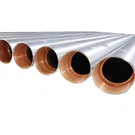


Hey there! As a supplier in the OCTG (Oil Country Tubular Goods) game, I've seen firsthand that buying OCTG isn't as straightforward as it might seem. There are often hidden costs that buyers don't always anticipate. Let's dig into this topic and see what those sneaky expenses could be.
Quality Assurance and Testing
When you're in the market for OCTG, you can't just take the seller's word for it when it comes to quality. You need to conduct thorough quality assurance and testing. This isn't free, folks. For instance, non - destructive testing methods like ultrasonic testing, magnetic particle testing, and radiographic testing are commonly used to check for internal and external defects in the pipes. These tests require specialized equipment and trained technicians.
Let's say you're buying a large batch of Slotted Casing. You'll want to make sure that the slots are cut to the right dimensions and that there are no hidden cracks or flaws. The cost of these tests can add up quickly, especially if you're dealing with a high - volume order. And if the testing reveals any issues, you might have to spend more on rework or even replace the defective items.
Transportation and Logistics
Another major hidden cost is transportation and logistics. OCTG pipes are large, heavy, and often require special handling. The cost of shipping these pipes from the supplier to your site depends on several factors. Distance is an obvious one. The farther the supplier is from your location, the more you'll pay for shipping.
But it's not just about the miles. The mode of transportation also matters. You can choose between trucks, trains, or ships. Trucks are more flexible and can deliver directly to your site, but they're also more expensive per mile. Trains can handle large volumes at a lower cost, but they might not have a direct route to your location, which means you'll need to arrange for additional local transportation. And if you're importing OCTG from overseas, you'll have to deal with customs duties, taxes, and port handling fees.


Let's say you're buying Pup Joint from a supplier across the country. You might think the price of the pup joints is the only cost, but once you factor in the shipping, insurance during transit, and any potential delays due to weather or traffic, you could end up paying a lot more than you initially expected.
Storage and Inventory Management
Once the OCTG arrives at your site, you need to store it properly. These pipes take up a lot of space, and you need to have a suitable storage facility. If you don't have your own storage space, you'll have to rent a warehouse. The cost of renting a warehouse includes not only the monthly rent but also utilities, security, and maintenance.
Inventory management is also crucial. You need to keep track of your stock, ensure that the pipes are stored in the right conditions to prevent corrosion, and rotate your inventory to avoid having old stock sitting around for too long. This requires a dedicated inventory management system and staff to operate it. All these costs are often overlooked when buyers are focused on the initial purchase price of the OCTG.
Regulatory Compliance
The oil and gas industry is highly regulated, and buying OCTG means you need to comply with a whole bunch of regulations. These regulations cover everything from the manufacturing standards of the pipes to their installation and use. For example, there are environmental regulations that govern how you handle and dispose of any waste generated during the installation or use of the OCTG.
You might need to obtain permits for the installation of the pipes, and these permits can come with fees. There are also safety regulations that require you to conduct regular inspections and maintenance of the OCTG. Non - compliance can result in hefty fines, so you need to make sure you're up - to - date with all the regulations. This often means hiring a compliance officer or consultant, which adds to the overall cost of buying and using OCTG.
Installation and Labor
Installing OCTG is a complex process that requires skilled labor. The cost of labor can vary depending on the location, the complexity of the installation, and the experience of the workers. In some areas, there might be a shortage of skilled workers, which can drive up the labor costs.
You also need to factor in the cost of any specialized equipment needed for the installation. For example, if you're installing Coupling, you might need special tools to ensure a proper fit. And if there are any unforeseen issues during the installation, such as difficult soil conditions or existing underground utilities, you could end up spending even more on additional labor and equipment.
Maintenance and Repairs
OCTG is subject to wear and tear over time. Corrosion, erosion, and mechanical damage are common problems that can affect the performance and lifespan of the pipes. Regular maintenance is essential to prevent these issues and ensure the safe and efficient operation of the OCTG.
The cost of maintenance includes things like coating the pipes to prevent corrosion, inspecting the joints for leaks, and replacing any worn - out parts. Repairs can be even more expensive, especially if the damage is extensive. You might need to shut down your operations temporarily while the repairs are being carried out, which can result in lost production and revenue.
Conclusion
So, as you can see, there are definitely hidden costs when buying OCTG. From quality assurance and testing to transportation, storage, regulatory compliance, installation, and maintenance, these costs can significantly increase the overall cost of your OCTG purchase.
But don't let these hidden costs scare you off. At our company, we're committed to being transparent about all the costs involved. We can work with you to find the most cost - effective solutions for your OCTG needs. Whether it's helping you choose the right products to minimize testing and maintenance costs or finding the best transportation and storage options, we've got your back.
If you're interested in purchasing OCTG and want to learn more about how we can help you manage these hidden costs, feel free to reach out. We're here to have a chat and discuss your specific requirements. Let's work together to make your OCTG purchase a smart and cost - effective decision.
References
- American Petroleum Institute (API) standards for OCTG
- Industry reports on transportation and logistics costs in the oil and gas sector
- Government regulations on environmental and safety compliance in the oil and gas industry