


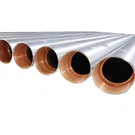


Valves are crucial components in a piping system, serving as the control points that regulate the flow, pressure, and direction of fluids. As a valves supplier, I have witnessed firsthand how these unassuming devices interact with other elements in a piping network to ensure the efficient and safe operation of various industrial processes. In this blog post, I will delve into the intricate relationships between valves and other components in a piping system, exploring how they work together to achieve optimal performance.
Valves and Pipes
The most fundamental interaction in a piping system is between valves and pipes. Valves are installed directly into the piping network, acting as gatekeepers that can open or close the flow path. When a valve is fully open, it allows fluid to pass through the pipe with minimal resistance, enabling the efficient transfer of liquids or gases from one point to another. Conversely, when a valve is closed, it blocks the flow completely, preventing any fluid from moving through the pipe.
The size and type of valve selected for a particular application must be carefully matched to the diameter and material of the pipes. This ensures a proper fit and a secure connection, minimizing the risk of leaks and ensuring the integrity of the piping system. For example, in a high-pressure system, a valve with a robust construction and a tight seal is required to withstand the forces exerted by the fluid. Additionally, the valve's flow capacity must be compatible with the pipe's diameter to maintain an appropriate flow rate and prevent excessive pressure drops.
Valves and Pumps
Pumps are responsible for generating the pressure needed to move fluids through a piping system. Valves play a critical role in controlling the flow and pressure generated by pumps. By adjusting the opening of a valve, the flow rate can be regulated, allowing the pump to operate at its optimal efficiency. For instance, in a water supply system, a valve can be used to control the amount of water flowing from a pump to a storage tank. By closing the valve partially, the flow rate is reduced, preventing the pump from overworking and conserving energy.
Valves also protect pumps from damage caused by excessive pressure or reverse flow. A check valve, for example, allows fluid to flow in only one direction, preventing backflow that could damage the pump impeller or cause other components to malfunction. In addition, a pressure relief valve can be installed in the piping system to automatically open when the pressure exceeds a predetermined limit, protecting the pump and other components from overpressure.
Valves and Filters
Filters are used to remove impurities and contaminants from the fluid flowing through a piping system. Valves are essential for controlling the flow of fluid through the filter and ensuring its proper operation. A shut-off valve can be installed upstream of the filter to isolate it for maintenance or replacement. This allows the filter to be serviced without interrupting the flow of the entire system.
Moreover, valves can be used to regulate the pressure and flow rate across the filter. By adjusting the valve opening, the pressure drop across the filter can be optimized, ensuring that the filter operates efficiently and effectively. If the pressure drop is too high, it may indicate that the filter is clogged and needs to be replaced. Conversely, if the pressure drop is too low, the filter may not be performing its intended function.
Valves and Instrumentation
Instrumentation devices such as pressure gauges, flow meters, and temperature sensors are used to monitor the performance of a piping system. Valves interact with these instruments to provide accurate and reliable data. For example, a sampling valve can be used to collect a representative sample of the fluid flowing through the pipe for analysis. This sample can then be used to determine the quality of the fluid, detect the presence of contaminants, or monitor the performance of the system.


Valves also play a role in calibrating and maintaining the accuracy of instrumentation devices. By controlling the flow and pressure of the fluid, valves ensure that the instruments are exposed to the appropriate conditions for accurate measurement. For instance, a calibration valve can be used to adjust the flow rate and pressure during the calibration process of a flow meter.
Valves in Specialized Piping Systems
In some specialized piping systems, valves interact with unique components to meet specific requirements. For example, in the oil and gas industry, valves are integral to wellhead equipment such as the BOP Control Unit and Ram BOP. These valves are designed to control the flow of oil and gas under high-pressure and high-temperature conditions, ensuring the safety and integrity of the well.
The Choke Manifold is another crucial component in the oil and gas industry, where valves are used to control the flow rate and pressure of the fluid as it exits the well. By adjusting the opening of the valves in the choke manifold, the production rate can be optimized, and the well can be protected from overproduction or other potential hazards.
Conclusion
In conclusion, valves are essential components in a piping system, interacting with pipes, pumps, filters, instrumentation, and specialized equipment to ensure the efficient and safe operation of various industrial processes. As a valves supplier, I understand the importance of providing high-quality valves that are designed to work seamlessly with other components in the system. Whether it's a simple water supply system or a complex oil and gas production facility, the proper selection and installation of valves are crucial for achieving optimal performance.
If you are in need of valves for your piping system, I encourage you to contact us for a consultation. Our team of experts can help you select the right valves for your specific application, ensuring that they are compatible with your existing components and meet your performance requirements. We are committed to providing exceptional customer service and high-quality products that will enhance the efficiency and reliability of your piping system.
References
- Green, Don W., and Robert H. Perry. Perry's Chemical Engineers' Handbook. McGraw-Hill Education, 2007.
- Crane Co. Flow of Fluids Through Valves, Fittings, and Pipe. Technical Paper No. 410, 1988.
- Cameron International Corporation. Oilfield Equipment Handbook. Gulf Publishing Company, 1994.