


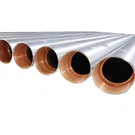


Hey there, fellow drilling enthusiasts! I'm a supplier of Rotary Subs, and today I'm gonna walk you through the process of installing a Rotary Sub. Whether you're a seasoned pro or just starting out in the drilling game, this guide will help you get the job done right.
Why Rotary Subs Matter
Before we dive into the installation process, let's quickly talk about why Rotary Subs are so important. A Rotary Sub is a crucial component in the drill string. It allows for the transfer of torque from the top drive or kelly to the rest of the drill string. This means it plays a key role in making sure your drilling operation runs smoothly. Without a properly installed and functioning Rotary Sub, you could face all sorts of problems, like inefficient drilling, equipment damage, and even safety hazards.
Tools and Materials You'll Need
First things first, let's gather all the tools and materials you'll need for the installation. Here's a quick list:
- Wrenches: You'll need a set of wrenches that are the right size for your Rotary Sub. Make sure they're in good condition and can provide a secure grip.
- Lifting Equipment: Depending on the size and weight of your Rotary Sub, you might need a crane or other lifting equipment to move it into place. Safety first, so make sure the lifting equipment is rated for the weight of the sub.
- Thread Compound: This is essential for creating a good seal between the threads of the Rotary Sub and the other components of the drill string. Choose a high - quality thread compound that's suitable for your drilling environment.
- Inspection Tools: A caliper and a thread gauge can be very useful for checking the dimensions and thread quality of the Rotary Sub and the mating components.
Pre - installation Inspection
Before you start the installation, it's super important to inspect the Rotary Sub thoroughly. Here's what you should do:
- Visual Inspection: Look for any signs of damage, like cracks, dents, or corrosion. Check the threads for any signs of wear or damage. If you notice anything suspicious, don't use the sub until you've had it inspected by a professional.
- Measurements: Use your caliper to measure the critical dimensions of the Rotary Sub, such as the outside diameter and the length. Compare these measurements to the manufacturer's specifications to make sure the sub is within tolerance.
- Thread Check: Use a thread gauge to check the thread pitch and profile. The threads should be clean and in good condition. If the threads are damaged, they might not create a proper seal, which can lead to leaks and other problems.
Installation Steps
Step 1: Prepare the Drill String
The first step is to prepare the drill string where the Rotary Sub will be installed. Make sure the end of the drill string is clean and free of any debris or old thread compound. You can use a wire brush to clean the threads if necessary.
Step 2: Apply Thread Compound
Apply a generous amount of thread compound to the male threads of the Rotary Sub. Make sure to cover the entire length of the threads evenly. This will help create a tight seal and prevent leaks.


Step 3: Lift and Position the Rotary Sub
Use your lifting equipment to carefully lift the Rotary Sub and position it over the end of the drill string. Make sure the sub is aligned properly with the drill string. You might need to use a guide or a helper to get the alignment just right.
Step 4: Make the Connection
Slowly lower the Rotary Sub onto the drill string and start threading it onto the end. Use your wrenches to tighten the connection. Make sure to follow the manufacturer's recommended torque specifications. Over - tightening can damage the threads, while under - tightening can lead to leaks.
Step 5: Check the Connection
Once the connection is made, check it again for tightness. You can use a torque wrench to verify that the connection is at the correct torque. Also, visually inspect the connection to make sure there are no gaps or signs of misalignment.
Compatibility with Other Components
It's important to note that the Rotary Sub needs to be compatible with other components in the drill string. For example, if you're using Heavy Weight Drill Pipe (HWDP), make sure the thread size and type of the Rotary Sub match those of the HWDP. Similarly, if you're using a Mud Motor or a Spiral Drill Collar, compatibility is key.
Post - installation Checks
After the installation is complete, there are a few more checks you should do:
- Pressure Test: Conduct a pressure test to make sure there are no leaks in the connection. This can help you catch any problems before you start drilling.
- Function Test: Rotate the drill string to make sure the Rotary Sub is functioning properly. Listen for any unusual noises or vibrations, which could indicate a problem.
Maintenance Tips
To keep your Rotary Sub in good working condition, here are some maintenance tips:
- Regular Inspections: Inspect the Rotary Sub regularly for signs of wear and damage. This can help you catch problems early and prevent costly repairs.
- Cleaning: Keep the Rotary Sub clean, especially the threads. Remove any dirt, debris, or old thread compound after each use.
- Lubrication: Re - apply thread compound as needed to keep the threads lubricated and prevent corrosion.
Conclusion
Installing a Rotary Sub might seem like a daunting task, but if you follow these steps and take the necessary precautions, you can do it safely and effectively. Remember, a properly installed Rotary Sub is essential for the success of your drilling operation.
If you're in the market for a high - quality Rotary Sub or have any questions about the installation process, I'd love to hear from you. We're here to provide you with the best products and support for your drilling needs. Reach out to us to start a conversation about your requirements.
References
- Drilling Equipment Handbook, 3rd Edition
- Rotary Sub Manufacturer's Installation Guide