



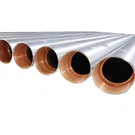


As a supplier of CRA (Corrosion-Resistant Alloy) Pipe, I often get asked about the different coating options available for these pipes. Coatings play a crucial role in protecting CRA pipes from various environmental factors and extending their lifespan. In this blog, I'll walk you through the most common coating options for CRA pipes and why they matter.
Why Coatings are Important for CRA Pipes
CRA pipes are already known for their excellent corrosion resistance, but that doesn't mean they're completely immune to damage. Factors like abrasion, chemical exposure, and extreme temperatures can still take a toll on these pipes over time. Coatings act as an additional layer of protection, helping to prevent corrosion, reduce friction, and improve the overall performance of the pipes.
Common Coating Options for CRA Pipes
Epoxy Coatings
Epoxy coatings are one of the most popular choices for CRA pipes. They offer excellent adhesion, chemical resistance, and durability. Epoxy coatings can be applied in different thicknesses depending on the specific requirements of the application. For example, in oil and gas pipelines, a thicker epoxy coating may be used to protect the pipes from the harsh chemicals and high pressures encountered underground.
One of the key advantages of epoxy coatings is their ability to form a hard, protective barrier on the surface of the pipe. This barrier helps to prevent moisture and other corrosive substances from reaching the pipe material, thereby reducing the risk of corrosion. Epoxy coatings are also resistant to abrasion, which is important in applications where the pipes may come into contact with rough surfaces or moving objects.
Polyurethane Coatings
Polyurethane coatings are another common option for CRA pipes. They are known for their flexibility, impact resistance, and weatherability. Polyurethane coatings can be formulated to have different levels of hardness and elasticity, making them suitable for a wide range of applications.
In addition to their protective properties, polyurethane coatings also offer good aesthetic appeal. They can be applied in a variety of colors and finishes, allowing for customization based on the specific needs of the project. Polyurethane coatings are often used in above-ground applications, such as building facades and bridges, where they can provide both protection and visual enhancement.
Fusion-Bonded Epoxy (FBE) Coatings
FBE coatings are a type of epoxy coating that is applied in a powder form and then fused to the pipe surface using heat. This process creates a strong, uniform coating that provides excellent corrosion protection. FBE coatings are widely used in the oil and gas industry, particularly for pipelines that are buried underground.
One of the main advantages of FBE coatings is their ability to provide a high level of adhesion to the pipe surface. This ensures that the coating remains intact even under harsh environmental conditions. FBE coatings are also resistant to moisture, chemicals, and abrasion, making them ideal for protecting CRA pipes in challenging environments.
Zinc Coatings
Zinc coatings, also known as galvanizing, are a traditional method of protecting steel pipes from corrosion. Zinc is a sacrificial metal, which means that it corrodes preferentially to the steel, thereby protecting the underlying pipe material. Zinc coatings can be applied through hot-dip galvanizing or electroplating processes.
Hot-dip galvanizing involves immersing the pipe in a bath of molten zinc, which creates a thick, durable coating on the surface of the pipe. Electroplating, on the other hand, involves depositing a thin layer of zinc onto the pipe surface using an electric current. Both methods provide effective corrosion protection, but hot-dip galvanizing is generally more suitable for applications where the pipes will be exposed to harsh environmental conditions.
Choosing the Right Coating for Your CRA Pipes
When choosing a coating for your CRA pipes, there are several factors to consider. These include the specific application, the environmental conditions the pipes will be exposed to, and the budget. Here are some tips to help you make the right choice:
- Understand the Application: Different applications have different requirements. For example, pipes used in the oil and gas industry may need to be protected from harsh chemicals and high pressures, while pipes used in a water treatment plant may need to be resistant to corrosion and scaling. Make sure you understand the specific needs of your application before choosing a coating.
- Consider the Environmental Conditions: The environmental conditions the pipes will be exposed to, such as temperature, humidity, and chemical exposure, will also affect the choice of coating. For example, if the pipes will be exposed to high temperatures, you may need to choose a coating that can withstand these conditions without degrading.
- Evaluate the Budget: Coatings can vary significantly in cost, so it's important to consider your budget when making a decision. While it may be tempting to choose the cheapest option, keep in mind that a high-quality coating can save you money in the long run by reducing the need for maintenance and replacement.
Additional Considerations
In addition to the coating itself, there are also other factors to consider when using coated CRA pipes. These include the installation process, the maintenance requirements, and the compatibility of the coating with other components in the system.


- Installation: Proper installation is crucial to ensure the effectiveness of the coating. Make sure the pipes are cleaned and prepared properly before applying the coating, and follow the manufacturer's instructions for application and curing.
- Maintenance: Coated CRA pipes generally require less maintenance than uncoated pipes, but they still need to be inspected regularly to ensure the coating is intact and functioning properly. Any damage to the coating should be repaired immediately to prevent corrosion from occurring.
- Compatibility: When using coated CRA pipes in a system, it's important to ensure that the coating is compatible with other components in the system, such as Coupling, Pup Joint, and Casing. Incompatible coatings can cause problems such as adhesion failure and corrosion.
Conclusion
Choosing the right coating for your CRA pipes is an important decision that can have a significant impact on the performance and lifespan of the pipes. By understanding the different coating options available and considering the specific requirements of your application, you can make an informed choice that will provide the best protection for your pipes.
If you're in the market for CRA pipes and need help choosing the right coating, don't hesitate to reach out. As a supplier with years of experience in the industry, I can provide you with expert advice and guidance to ensure you get the best solution for your needs. Whether you're working on a small project or a large-scale industrial application, I'm here to help you find the perfect coating for your CRA pipes. Let's start the conversation and see how we can work together to meet your requirements.
References
- NACE International. (2023). Corrosion Basics: An Introduction.
- American Petroleum Institute. (2022). API 5L: Specification for Line Pipe.