


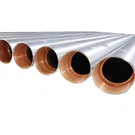


External loads can have a significant impact on line pipes, which are essential components in various industries such as oil, gas, and water transportation. As a line pipe supplier, I've seen firsthand how these loads can affect the performance and longevity of the pipes. In this blog, I'll discuss the different types of external loads that line pipes face and their effects.
Types of External Loads
1. Soil Loads
Soil loads are one of the most common external loads on line pipes. When a pipe is buried underground, the weight of the soil above it exerts a downward force. The amount of soil load depends on several factors, including the depth of burial, soil density, and the type of soil. For example, in areas with heavy clay soil, the soil load can be quite substantial because clay is denser than other types of soil.
This load can cause the pipe to deform. If the pipe isn't strong enough to withstand the soil load, it may start to flatten or crack. Over time, these deformations can lead to leaks, which can be a major problem, especially when transporting hazardous materials like oil or gas.
2. Traffic Loads
In urban areas or near roads, line pipes are also subject to traffic loads. Every time a heavy vehicle passes over a buried pipe, it creates a dynamic load. These loads can be sudden and intense, especially for large trucks or construction equipment.
Traffic loads can cause stress on the pipe. The repeated stress can lead to fatigue, which means the pipe's material gradually weakens over time. Eventually, this can result in cracks or even pipe failure. To prevent this, pipes need to be designed to handle these dynamic loads.
3. Hydrostatic Loads
Hydrostatic loads occur when a pipe is filled with a fluid, and the pressure of the fluid exerts a force on the pipe walls. This is common in water supply pipes or pipes used for transporting liquids in industrial processes.
The hydrostatic pressure can cause the pipe to expand. If the pressure is too high and the pipe isn't designed to handle it, it can burst. That's why it's crucial to select the right pipe material and thickness based on the expected hydrostatic pressure.
4. Seismic Loads
In earthquake - prone areas, seismic loads are a major concern for line pipes. Earthquakes generate ground motion, which can cause the pipe to move and bend. The pipes may experience both lateral and vertical forces during an earthquake.
Seismic loads can cause severe damage to pipes. They can break joints, crack the pipe body, or even cause the pipe to be completely uprooted from the ground. To mitigate the effects of seismic loads, special seismic design features can be incorporated into the pipe installation, such as flexible joints and proper anchoring.
Effects of External Loads on Line Pipes
1. Structural Damage
As mentioned earlier, external loads can cause structural damage to line pipes. Deformations like flattening, cracking, and bursting are common results of excessive loads. Structural damage can lead to leaks, which not only waste resources but can also pose a safety hazard. For example, a gas leak from a damaged line pipe can cause an explosion or fire.
2. Reduced Service Life
External loads can significantly reduce the service life of line pipes. The constant stress and strain from loads like soil, traffic, and hydrostatic pressure can cause the pipe material to degrade over time. Fatigue, corrosion, and wear are all accelerated by these loads. As a result, the pipe may need to be replaced earlier than expected, which can be costly for the operators.
3. Increased Maintenance Costs
Pipes that are subject to external loads often require more maintenance. Regular inspections are necessary to detect any signs of damage early. Repairs may also be needed more frequently to fix cracks, leaks, or other issues caused by the loads. All these maintenance activities add to the overall cost of operating the pipeline system.
4. Environmental Impact
When a line pipe is damaged due to external loads and leaks occur, it can have a significant environmental impact. For example, an oil spill from a damaged pipeline can contaminate soil, water bodies, and harm wildlife. This not only affects the local ecosystem but also has long - term consequences for the environment.
How We Can Help as a Line Pipe Supplier
As a line pipe supplier, we understand the importance of providing high - quality pipes that can withstand external loads. We offer a wide range of products, including Casing, Tubing, and CRA Pipe.
Our pipes are made from high - quality materials that are carefully selected based on their strength and durability. We also offer pipes with different wall thicknesses and diameters to meet the specific requirements of different applications. For example, in areas with high soil loads, we can provide pipes with thicker walls to ensure they can withstand the pressure.
In addition to supplying high - quality pipes, we also offer technical support to our customers. Our team of experts can help you choose the right pipe for your project, taking into account the external loads it will face. We can also provide advice on installation and maintenance to ensure the pipes perform well over their service life.
If you're in the market for line pipes and want to ensure they can handle the external loads in your application, we're here to help. Contact us to start a discussion about your project requirements and let's work together to find the best solutions for your pipeline needs.
References
- ASME B31.4: Pipeline Transportation Systems for Liquid Hydrocarbons and Other Liquids
- API 5L: Specification for Line Pipe
- ISO 3183: Petroleum and natural gas industries - Steel pipe for pipelines - Technical delivery conditions