


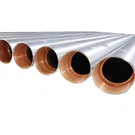


Hey there! As a supplier of CRA (Corrosion Resistant Alloy) Pipes, I've been involved in numerous CRA Pipe projects. And let me tell you, proper project planning is the backbone of any successful endeavor. In this blog, I'm gonna walk you through the key project planning steps for CRA Pipe projects.
Step 1: Initial Consultation and Requirement Gathering
The first step in any CRA Pipe project is to have a detailed chat with the client. This is where we get to know their specific needs, goals, and constraints. I usually sit down with the client and ask a ton of questions. What's the purpose of the project? Is it for an oil and gas exploration, a chemical processing plant, or something else? What are the environmental conditions the pipes will be exposed to? Are there any regulatory requirements that need to be met?
During this phase, it's crucial to listen carefully to the client. They might have some unique requirements that aren't immediately obvious. For example, they might need pipes with a specific diameter or wall thickness. Or they could be looking for a particular type of CRA material, like duplex stainless steel or nickel-based alloys.
Once we've gathered all the necessary information, we can start to get a clear picture of what the project will entail. This is also a good time to set some initial expectations with the client. We can talk about the estimated timeline, budget, and any potential challenges that might arise.
Step 2: Feasibility Study
After the initial consultation, it's time to conduct a feasibility study. This is where we assess whether the project is actually doable. We look at a bunch of factors, like the availability of the required CRA materials, the technical capabilities of our manufacturing processes, and the overall cost-effectiveness of the project.
One of the key things we consider is the availability of the CRA materials. Some CRA materials are more readily available than others, and this can have a big impact on the project timeline and cost. For example, if the client needs a rare type of nickel-based alloy, we might have to source it from a specialized supplier, which could take longer and cost more.
We also evaluate our technical capabilities. Can we manufacture the pipes to the required specifications? Do we have the necessary equipment and expertise? If there are any technical challenges, we need to figure out how to overcome them. This might involve investing in new equipment or collaborating with a technical partner.
Another important aspect of the feasibility study is the cost analysis. We need to determine whether the project is financially viable. We calculate the cost of the materials, labor, manufacturing processes, and any other associated expenses. Then we compare this to the client's budget to see if there's a match. If the project is too expensive, we might need to look for ways to reduce the cost, such as using alternative materials or optimizing the manufacturing process.
Step 3: Design and Engineering
Once the feasibility study is complete and the project is deemed viable, we move on to the design and engineering phase. This is where we create detailed plans for the CRA pipes. We use advanced design software to model the pipes and ensure that they meet all the required specifications.
The design process involves a lot of technical considerations. We need to determine the optimal diameter, wall thickness, and length of the pipes. We also need to consider the type of connections that will be used, such as D10 Coupling. The connections need to be strong enough to withstand the pressure and stress of the application.
In addition to the mechanical design, we also focus on the corrosion resistance of the pipes. Different CRA materials have different levels of corrosion resistance, and we need to select the right material for the specific environment. For example, if the pipes will be exposed to a highly corrosive chemical, we might choose a duplex stainless steel or a high-nickel alloy.
During the design and engineering phase, we also work closely with the client to get their feedback. We want to make sure that the design meets their expectations and requirements. We might make some adjustments to the design based on the client's input.
Step 4: Material Sourcing
Once the design is finalized, it's time to start sourcing the materials. As a CRA Pipe supplier, we have established relationships with a network of reliable material suppliers. We carefully select the suppliers based on their quality, reliability, and price.


We order the CRA materials in the required quantities and specifications. We also make sure that the materials are properly tested and certified. This is important to ensure the quality and performance of the pipes. We might conduct various tests, such as chemical analysis, mechanical testing, and corrosion testing.
During the material sourcing process, we also keep a close eye on the delivery schedule. We want to make sure that the materials arrive on time so that we can start the manufacturing process without any delays. If there are any issues with the material delivery, we need to address them quickly to avoid any impact on the project timeline.
Step 5: Manufacturing and Quality Control
With the materials in hand, we can start the manufacturing process. We have state-of-the-art manufacturing facilities that are equipped with the latest technology and equipment. Our manufacturing process is highly automated, which ensures consistent quality and efficiency.
The manufacturing process for CRA pipes involves several steps, such as cutting, welding, heat treatment, and finishing. We follow strict quality control procedures at every stage of the process to ensure that the pipes meet the highest standards. We have a team of quality control experts who conduct regular inspections and tests to check the quality of the pipes.
For example, we might use non-destructive testing methods, such as ultrasonic testing and X-ray testing, to detect any internal defects in the pipes. We also conduct visual inspections to check for any surface defects, such as scratches or dents. If any defects are found, we take immediate corrective action to ensure that the pipes are of the highest quality.
Step 6: Testing and Certification
Once the manufacturing process is complete, the pipes undergo a series of rigorous tests to ensure that they meet the required standards. We conduct various tests, such as pressure testing, leak testing, and mechanical property testing. These tests are designed to simulate the actual operating conditions of the pipes and ensure that they can perform reliably.
After the testing is complete, we obtain the necessary certifications for the pipes. Certifications are important because they provide assurance to the client that the pipes meet all the relevant industry standards and regulations. We work with independent third-party testing laboratories to obtain the certifications.
Step 7: Packaging and Shipping
Once the pipes are tested and certified, we move on to the packaging and shipping phase. We use high-quality packaging materials to protect the pipes during transportation. The pipes are carefully packed to prevent any damage or corrosion.
We also work with reliable shipping partners to ensure that the pipes are delivered to the client's site on time. We track the shipment and provide regular updates to the client so that they know the status of their order.
Step 8: Installation and Commissioning Support
After the pipes are delivered to the client's site, we provide installation and commissioning support. Our team of experts can assist the client with the installation process to ensure that the pipes are installed correctly. We also provide training to the client's staff on how to operate and maintain the pipes.
During the commissioning phase, we help the client to start up the system and ensure that the pipes are working properly. We monitor the performance of the pipes and make any necessary adjustments to ensure optimal operation.
Step 9: Post-Project Support
Even after the project is completed, our support doesn't end. We offer post-project support to the client. This includes regular maintenance checks, troubleshooting, and replacement of any damaged parts. We want to make sure that the client is satisfied with the performance of the pipes and that they can rely on us for any future needs.
If you're interested in a CRA Pipe project and want to discuss your requirements, feel free to reach out. We're here to help you plan and execute a successful project. Whether you need Slotted Casing or Tubing, we've got you covered. Let's work together to make your project a success!
References
- Industry standards and guidelines for CRA Pipe manufacturing
- Technical literature on corrosion-resistant alloys
- Past project reports and case studies