



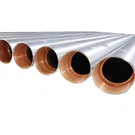


Line pipes are crucial components in numerous industries, particularly in the oil and gas sector, where they are used to transport various fluids from the production site to refineries or other storage facilities. As a line pipe supplier, understanding the materials commonly used in making line pipes is essential for providing high - quality and suitable products to our customers. In this blog, we will dive deep into the materials frequently employed in the manufacturing of line pipes.
Steel
Steel is by far the most commonly used material for line pipes. Its widespread popularity is due to a combination of desirable properties.
Carbon Steel
Carbon steel line pipes are incredibly prevalent. They consist primarily of iron and carbon, with a carbon content typically ranging from 0.05% to 2.1%. One of the significant advantages of carbon steel is its relatively low cost. This makes it an economically viable option for large - scale projects where cost - efficiency is a top priority.
Carbon steel line pipes also offer good strength. They can withstand high pressure and are suitable for transporting most types of fluids including crude oil, natural gas, and water. The mechanical properties of carbon steel can be further optimized through heat treatment processes such as annealing, quenching, and tempering. For example, quenching and tempering can significantly increase the hardness and strength of the pipe, making it more resistant to wear and deformation.
However, carbon steel is prone to corrosion, especially in environments where it is exposed to moisture and certain chemicals. To mitigate this issue, carbon steel line pipes are often coated with protective materials such as epoxy or polyethylene. These coatings create a barrier between the steel and the corrosive environment, thus extending the lifespan of the pipes.
Alloy Steel
Alloy steel line pipes are created by adding other elements such as chromium, nickel, molybdenum, and vanadium to carbon steel. These additional elements impart specific properties to the steel. For instance, the addition of chromium enhances the corrosion resistance of the pipe. This makes alloy steel particularly suitable for use in harsh environments such as offshore oil platforms, where the pipes are constantly exposed to saltwater.
Molybdenum can increase the strength and hardenability of alloy steel at high temperatures. This is crucial in applications where the transported fluids are at elevated temperatures, such as in some refinery processes. Alloy steel line pipes are generally more expensive than carbon steel pipes due to the cost of the alloying elements and the more complex manufacturing processes. But their superior performance in challenging conditions often justifies the higher cost.
Stainless Steel
Stainless steel line pipes are another important option. They are characterized by a minimum chromium content of 10.5%, which forms a passive oxide layer on the surface of the steel. This oxide layer provides excellent corrosion resistance, even in highly corrosive environments like chemical plants and food processing facilities.
One of the key benefits of stainless steel line pipes is their hygienic properties. They are non - porous and do not support the growth of bacteria, making them ideal for use in the food and beverage industry for transporting potable water, milk, and other consumable products.
In addition to corrosion resistance, stainless steel also offers good aesthetic appeal. This makes it suitable for applications where the appearance of the pipes is important, such as in architectural and decorative applications. However, stainless steel line pipes are relatively expensive compared to carbon and alloy steel pipes. The high cost is mainly due to the price of the raw materials and the energy - intensive manufacturing processes.
Plastic
Plastic materials are also used in the production of line pipes, especially in applications where corrosion resistance, light weight, and ease of installation are required.
Polyethylene (PE)
Polyethylene is a widely used plastic for line pipes. It is known for its excellent chemical resistance, which makes it suitable for transporting a variety of chemicals, including acids and alkalis. PE pipes are also very flexible, which simplifies the installation process, especially in areas with complex terrains.
Another advantage of PE pipes is their low weight. Unlike steel pipes, which can be heavy and difficult to handle, PE pipes are easy to transport and install, reducing labor costs. PE pipes have a relatively long lifespan, often lasting more than 50 years in underground applications. However, they have lower strength compared to steel pipes and may not be suitable for high - pressure applications.


Polyvinyl Chloride (PVC)
PVC line pipes are well - known for their durability and affordability. They are commonly used in water distribution systems, sewerage systems, and irrigation systems. PVC pipes have good chemical resistance and can withstand a wide range of temperatures.
They are also fire - resistant, which is an important safety feature in many applications. PVC pipes are available in various sizes and thicknesses, making them adaptable to different project requirements. However, like other plastic pipes, PVC pipes may not be suitable for applications that involve high - temperature fluids, as they can deform under high heat.
Composite Materials
Composite materials are becoming increasingly popular in the line pipe industry. These materials combine the advantages of different materials to achieve a superior performance.
Fiber - Reinforced Polymer (FRP)
FRP line pipes are made by embedding fibers such as glass or carbon in a polymer matrix. The fibers provide high strength, while the polymer matrix offers good corrosion resistance. FRP pipes are lightweight, which reduces transportation and installation costs. They also have excellent fatigue resistance, making them suitable for applications where the pipes are subjected to cyclic loading.
FRP pipes can be designed to meet specific requirements by adjusting the type and orientation of the fibers and the properties of the polymer matrix. However, the manufacturing process of FRP pipes is relatively complex, and the cost can be relatively high, especially for high - performance applications.
Conclusion
In conclusion, there are several materials commonly used to make line pipes, each with its own advantages and disadvantages. As a line pipe supplier, we understand the importance of selecting the right material based on the specific requirements of the project, such as the type of fluid to be transported, the operating pressure and temperature, and the environmental conditions.
If you are in need of high - quality line pipes for your project, we are here to assist you. Our team of experts can help you choose the most suitable material and pipe specifications to meet your needs. Whether you require D10 Coupling, Slotted Casing, or Casing, we have a wide range of products to offer. Contact us today to start a procurement discussion and find the perfect line pipe solutions for your project.
References
- ASME B31.4 - Pipeline Transportation Systems for Liquid Hydrocarbons and Other Liquids.
- API 5L - Specification for Line Pipe.
- ASTM standards for steel and plastic pipes.
- Technical literature from pipe manufacturers and industry associations.