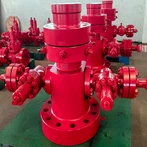
Sucker rod pumps are a type of artificial lift system used primarily in oil wells. They operate by converting rotary motion from a motor at the surface into reciprocating motion that drives a piston down the well, lifting fluids to the surface. This method is particularly effective for extracting crude oil and is widely used due to its reliability and efficiency.
They are also called beam pumps. The term "beam pump" often describes the surface unit that converts rotary motion into reciprocating motion, while "sucker rod pump" emphasizes the rods used to connect the surface unit to the pump assembly down in the well.
The invention of the sucker rod pump dates back to the early 19th century. Originally developed in the United States, these pumps emerged as a solution to the challenges of lifting oil from deeper wells. Over time, advancements in materials and engineering have enhanced their performance, leading to the sophisticated designs we see today.
Components of Sucker Rod Pumps
A sucker rod pump consists of several key components, each serving a distinct purpose. Understanding these parts is essential for grasping how the pump operates.
Sucker Rods
Sucker rods are long, slender steel rods that connect the surface drive mechanism to the pump assembly located in the well. They are typically made from high-strength steel to withstand the tension and bending forces encountered during operation.
Pump Barrel
The pump barrel is a cylindrical casing that houses the pump components. It is designed to withstand high pressures and is usually made from steel or other durable materials. The barrel contains the plunger and the valves, which regulate fluid flow.
Plunger
The plunger is a cylindrical piece that moves up and down within the pump barrel. As it moves, it creates a suction effect that draws fluid into the pump. The size and design of the plunger can vary depending on the specific application and well conditions.
Standing Valve and Traveling Valve
These valves control the flow of fluid within the pump. The standing valve is located at the bottom of the pump and prevents fluid from flowing back down the well when the plunger moves upward. The traveling valve, located at the plunger's end, opens to allow fluid in during the downward stroke and closes to seal the fluid during the upward stroke.
Drive Mechanism
The drive mechanism, usually located at the surface, converts the rotational motion from an electric or diesel motor into the vertical motion needed to operate the sucker rod. This mechanism can be a simple gear reduction or a more complex system, depending on the specific application.
Vigor proudly introduces its Sucker Rod Pump, manufactured using the most advanced technology and adhering to the strictest production standards. Our dedicated technical team meticulously follows quality control documentation throughout the entire manufacturing process to ensure that every product meets our clients' high expectations. Upon completion, Vigor's QC team conducts a 100% inspection to guarantee that all products comply with our rigorous quality criteria.
If you are interested in Vigor's downhole drilling, well completion, and cementing tools, do not hesitate to contact our professional engineering team. We are committed to providing you with top-notch products and exceptional service, ensuring your projects are completed efficiently and effectively. Experience the difference with Vigor-where innovation meets reliability.
For more information, you can write to our mailbox info@vigorpetroleum.com & mail@vigorpetroleum.com