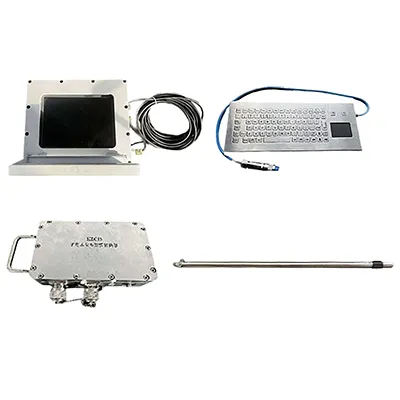
Well completion is a pivotal phase in the lifecycle of an oil, gas, or water well. It serves as the essential bridge between successful drilling and actual production. After the well is drilled and casing is set, a series of carefully executed steps prepares the well for efficient and safe hydrocarbon extraction. The importance of well completion cannot be overstated, as it directly impacts production optimization, well integrity, environmental protection, and economic efficiency.
Why Well Completion Matters
Production Optimization
- Maximizing Flow: The completion process involves selecting appropriate equipment and techniques to ensure that oil or water flows freely from the reservoir into the wellbore and to the surface. This includes perforating casing to access the reservoir, installing tubing and pumps, and controlling sand production.
- Targeting Specific Zones: Completion techniques can isolate different production zones within the reservoir, enabling operators to produce from specific intervals and maximize output from the most valuable zones.
- Enhanced Recovery: Advanced completion methods, such as horizontal drilling and hydraulic fracturing, unlock previously unrecoverable reserves and increase overall recovery rates.
Ensuring Safety and Well Integrity
- Blowout Prevention: Proper completion ensures wellbore stability and prevents uncontrolled releases of fluids or gases, protecting personnel and the environment.
- Corrosion Protection: Completion materials and technologies are selected to withstand harsh downhole conditions, reducing corrosion and equipment failure.
- Monitoring and Control: Sensors and valves installed during completion allow operators to monitor well performance, adjust production rates, and intervene when necessary, maintaining control and preventing accidents.
Environmental Considerations
- Waste Reduction: Efficient well completion reduces the need for future interventions and workovers, thereby decreasing waste generation and environmental impact.
- Groundwater Protection: Proper casing and cementing prevent hydrocarbons or gases from deep formations from contaminating freshwater aquifers.
Economic Efficiency
- Lower Operating Costs: A well-designed completion reduces downtime, increases production rates, and extends the well's productive life, resulting in significant long-term cost savings.
- Maximized Resource Recovery: Efficient completion ensures optimal resource extraction from the reservoir, maximizing return on investment and reducing the need for additional drilling.
The Well Completion Workflow
The completion process involves several key stages, each critical to preparing the well for production.
1. Casing
Casing provides structural support and prevents fluid leakage. Made of durable steel or alloy, casing is installed in sections and cemented in place. This protective barrier stabilizes the wellbore under geological pressures and protects surrounding formations from contamination. Casing strings include surface, intermediate, and production casing, contributing to overall well integrity and providing a safe conduit for hydrocarbon extraction. Regular integrity testing and inspections are essential.
2. Cementing
Cementing is a critical operation that ensures wellbore integrity and stability. After casing is run, cement is pumped into the annular space between the casing and the borehole wall. This operation locks the casing in place, provides structural support, and prevents fluid migration between different geological zones. As the cement hardens, it forms a robust barrier, enhancing wellbore stability and preventing environmental contamination. Cementing is a key contributor to the overall success and safety of the well.
3. Open Hole Completion
In open hole completion, certain sections of the wellbore are left uncased. The reservoir rock itself serves as the structural support. This method allows direct contact between the wellbore and the surrounding formation, enabling natural fluid flow. While open hole completion can be cost-effective and improve reservoir access, it requires careful planning and precise execution to address challenges related to well stability and fluid control in varying geological conditions.
4. Perforating
Perforating involves creating holes in the well casing to establish a direct connection between the reservoir and the wellbore. Using a specialized tool called a perforating gun, carefully placed holes are made through the casing and into the surrounding rock formation. This process allows reservoir fluids to flow smoothly into the wellbore, enabling oil and gas production. Perforating is a meticulously planned procedure that ensures optimal well-reservoir connectivity.
5. Gravel Pack
Gravel packing is a technique used in wells completed in unconsolidated or loosely packed formations. A specially prepared mixture of sand and gravel is pumped into the annulus around a screen placed opposite the producing zone. This creates a permeable barrier that prevents sand and formation particles from entering the well, ensuring stable and efficient hydrocarbon flow. Gravel packing is essential for managing sand production, maintaining reservoir integrity, and optimizing well performance in complex geological environments.
6. Christmas Tree (Production Tree)
The final step in the completion process is installing the wellhead equipment at the surface. This assembly, known as the production tree or Christmas tree, includes casing heads and tubing heads, enabling surface control of downhole conditions. Production trees are used on both onshore and offshore wells and come in two main types: dry trees (installed above water on platform decks) and wet trees (installed on the seabed, enclosed in a protective steel box). Wells with multiple reservoir levels may use dual-bore trees for separate completions. Modern completions incorporate downhole sensors (intelligent wells) to measure flow characteristics and optimize production rates.
Main Types of Well Completion
Completion methods are tailored to specific geological conditions, production goals, and reservoir characteristics.
1. Open Hole Completion
- Description: Certain intervals are left uncased, allowing the wellbore to directly contact the surrounding rock formation.
- Application: Suitable for stable rock formations with very low risk of collapse.
- Advantages: Enhanced reservoir access for fluid flow; simplified well construction; cost-effective in stable geological environments.
2. Cased Hole Completion
- Description: Casing is installed across the entire wellbore to isolate different geological zones, preventing fluid migration and wellbore instability.
- Application: Used in wells with complex geology, high-pressure zones, or where stability is a concern.
- Advantages: Provides wellbore stability and prevents collapse; enables zonal isolation of multiple reservoirs; reduces environmental and safety risks.
Additional variations include:
- Selective Completions: Targeting specific reservoir intervals.
- Multilateral Completions: Accessing multiple branches from a single main wellbore.
- Intelligent Completions: Incorporating downhole sensors and control systems to optimize production.
A properly executed well completion process is essential for the success, safety, and sustainability of oil and gas wells. By recognizing the importance of completion, understanding the complexity of the workflow (casing, cementing, open hole, perforating, gravel packing, and tree installation), and selecting the appropriate completion type based on geological conditions, industry professionals can contribute to efficient and responsible energy extraction. Continuous innovation and adherence to evolving industry standards ensure that well completion remains a cornerstone of successful drilling operations worldwide. For more detailed information, please don't hesitate to contact Vigor team for more detailed product information.