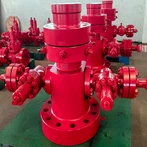
As an experienced professional in the oil and gas industry, the editor from Vigor has extensive knowledge of the components that make up drilling stabilizers, which are essential tools in directional drilling operations.
Drilling Stabilizer Components:
1. Stabilizer Body
The stabilizer body is the main structural component that houses the other elements. It is typically made of high-strength steel alloys to withstand extreme downhole conditions, such as high temperatures, pressures, and abrasive environments. The body is designed with a specific outer diameter that closely matches the desired borehole size, allowing it to maintain proper gauge and provide lateral support.
2. Blades or Ribs
Blades or ribs are the protruding elements on the stabilizer body that make direct contact with the wellbore wall. They are strategically positioned and designed to provide the necessary lateral support and control the trajectory of the drill string. Blades can be straight, spiral, or have various profiles depending on the specific application and formation characteristics.
3. Wear Bands or Inserts
Wear bands or inserts are hardened materials, such as tungsten carbide or polycrystalline diamond compact (PDC), that are incorporated into the blades or ribs. These wear-resistant components are designed to handle the abrasive nature of the formations and extend the operational life of the stabilizer.
4. Bore and Connections
The bore of the stabilizer is the internal diameter that allows for the passage of drilling fluids and other downhole tools. It is designed to accommodate the specific drill string components and maintain adequate flow rates. The connections, typically threaded or flanged, enable the stabilizer to be integrated into the drill string at the desired location.
5. Sealing Elements
Sealing elements, such as rubber or elastomeric components, are incorporated into the stabilizer design to prevent the flow of drilling fluids and formation fluids between the stabilizer and the wellbore wall. These seals help maintain borehole integrity and prevent potential stuck pipe situations.
6. Bearing Assemblies
Some stabilizer designs include bearing assemblies that allow for rotational movement or limited sliding between the stabilizer body and the blades or ribs. These bearings can help reduce friction, mitigate stick-slip vibrations, and improve drilling performance in certain applications.
7. Sensors and Instrumentation
Advanced stabilizer designs may incorporate various sensors and instrumentation for real-time monitoring and data acquisition. These sensors can measure parameters such as weight on bit, torque, vibrations, and borehole conditions, providing valuable information for optimizing drilling operations.
By understanding the various drilling stabilizer components, operators can select the appropriate design and configuration to meet the specific requirements of their directional drilling operations. Collaboration with reputable manufacturers such as Vigor and consulting scientific research are essential for optimizing stabilizer performance and achieving safe, efficient, and productive drilling operations. Please contact us at info@vigorpetroleum.com to send your inquiry.