


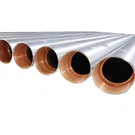


When it comes to purchasing Oil Country Tubular Goods (OCTG) from abroad, customs clearance is a crucial step that can significantly impact the efficiency and cost of your procurement process. As a supplier in the OCTG industry, I understand the complexities and challenges that come with international trade and customs procedures. In this blog post, I will share some valuable insights and practical tips on how to handle customs clearance when buying OCTG from overseas.
Understanding the Basics of Customs Clearance
Customs clearance is the process of getting your imported goods through the customs authorities of your country. It involves a series of procedures, including documentation, inspection, and payment of duties and taxes. The primary goal of customs clearance is to ensure that the imported goods comply with the relevant laws, regulations, and standards of the importing country.
Documentation Requirements
One of the most important aspects of customs clearance is providing accurate and complete documentation. The following are some of the key documents you will typically need when importing OCTG:
- Commercial Invoice: This document provides details about the goods being imported, including the description, quantity, value, and origin. It is used by the customs authorities to determine the appropriate duties and taxes.
- Bill of Lading or Airway Bill: This is a transportation document that serves as evidence of the contract of carriage between the shipper and the carrier. It contains information about the goods, the origin and destination, and the shipping details.
- Packing List: This document lists the contents of each package or container, including the quantity, weight, and dimensions of the goods. It helps the customs authorities verify the accuracy of the commercial invoice and the bill of lading.
- Certificate of Origin: This document certifies the country of origin of the goods. It is often required to determine the eligibility for preferential trade agreements and to calculate the applicable duties and taxes.
- Import License or Permit: Depending on the type of OCTG you are importing and the regulations of your country, you may need to obtain an import license or permit. This document authorizes you to import the goods into your country.
Classification of OCTG
Another important aspect of customs clearance is the classification of the OCTG you are importing. The customs authorities use a standardized system called the Harmonized System (HS) to classify goods for the purpose of customs duties and statistics. Each product is assigned a unique HS code, which determines the applicable duty rate and other regulatory requirements.
When classifying OCTG, it is important to provide accurate and detailed information about the product, including its type, size, material, and intended use. This will help the customs authorities determine the correct HS code and ensure that you pay the appropriate duties and taxes. For example, different types of OCTG, such as Premium Connection, Flow Coupling, and Pup Joint, may have different HS codes and duty rates.
Duty and Tax Calculation
The amount of duties and taxes you will need to pay when importing OCTG depends on several factors, including the value of the goods, the HS code, and the trade agreements between your country and the country of origin. The most common types of duties and taxes include:
- Customs Duties: These are taxes imposed by the customs authorities on imported goods. The duty rate is usually a percentage of the value of the goods and varies depending on the HS code and the origin of the goods.
- Value-Added Tax (VAT): This is a consumption tax that is applied to the value of the goods at each stage of the supply chain. The VAT rate varies from country to country and is usually calculated based on the total value of the goods, including the customs duties.
- Excise Duties: These are taxes imposed on specific types of goods, such as alcohol, tobacco, and petroleum products. Depending on the nature of the OCTG you are importing, you may be required to pay excise duties.
To calculate the duties and taxes accurately, it is important to have a clear understanding of the applicable rates and regulations. You can consult with a customs broker or a trade advisor to get professional advice on duty and tax calculation.
Working with a Customs Broker
Navigating the customs clearance process can be complex and time-consuming, especially if you are not familiar with the regulations and procedures of your country. That's why it is often a good idea to work with a customs broker. A customs broker is a licensed professional who specializes in customs clearance and international trade. They can help you with the following tasks:
- Documentation Preparation: A customs broker can assist you in preparing and submitting the required documentation for customs clearance. They have the knowledge and experience to ensure that the documents are accurate and complete, which can help prevent delays and avoid penalties.
- Classification and Valuation: A customs broker can help you classify your OCTG correctly and determine the appropriate value for customs purposes. They can also provide advice on how to minimize your duty and tax liability within the legal framework.
- Communication with Customs Authorities: A customs broker can act as your representative and communicate with the customs authorities on your behalf. They can handle any inquiries or issues that may arise during the customs clearance process and ensure that your goods are released in a timely manner.
- Compliance with Regulations: A customs broker can help you stay compliant with the relevant laws, regulations, and standards of your country. They can keep you updated on any changes in the customs regulations and ensure that your import operations are conducted in accordance with the requirements.
When choosing a customs broker, it is important to select a reputable and experienced firm. Look for a broker who has a good track record in handling customs clearance for OCTG imports and who is familiar with the regulations and procedures of your country. You can also ask for recommendations from other importers or trade associations.
Tips for a Smooth Customs Clearance Process
In addition to working with a customs broker, there are several other things you can do to ensure a smooth customs clearance process when buying OCTG from abroad:
- Plan Ahead: Customs clearance can take time, especially if there are any issues or delays. Therefore, it is important to plan ahead and allow sufficient time for the customs clearance process. Make sure you have all the necessary documentation ready and submit it to the customs authorities well in advance of the arrival of your goods.
- Provide Accurate Information: Accuracy is key when it comes to customs clearance. Make sure you provide accurate and detailed information about your OCTG, including its type, size, material, and intended use. Any discrepancies or inaccuracies in the documentation can lead to delays and additional costs.
- Stay Informed: Keep yourself updated on the latest customs regulations and procedures of your country. This will help you avoid any surprises or issues during the customs clearance process. You can subscribe to trade newsletters, attend seminars, or consult with a trade advisor to stay informed.
- Build a Good Relationship with Your Supplier: A good relationship with your overseas supplier can also help facilitate the customs clearance process. Make sure your supplier understands the customs requirements of your country and is willing to provide you with the necessary documentation and support. You can also work with your supplier to ensure that the goods are packed and labeled correctly to meet the customs requirements.
- Be Prepared for Inspections: The customs authorities may conduct inspections of your OCTG to verify the accuracy of the documentation and to ensure compliance with the regulations. Be prepared for these inspections and cooperate fully with the customs officials. Make sure you have all the necessary information and documentation available for the inspection.
Conclusion
Customs clearance is an important part of the process when buying OCTG from abroad. By understanding the basics of customs clearance, working with a customs broker, and following the tips outlined in this blog post, you can ensure a smooth and efficient customs clearance process. Remember, accurate documentation, proper classification, and compliance with regulations are key to a successful import operation.
If you are interested in purchasing OCTG from overseas and need assistance with customs clearance or other aspects of the procurement process, please feel free to contact me. I am here to help you navigate the complexities of international trade and ensure that you get the best value for your money.


References
- World Customs Organization. (n.d.). Harmonized System. Retrieved from https://www.wcoomd.org/en/topics/nomenclature/overview/harmonized-system.aspx
- International Chamber of Commerce. (n.d.). Incoterms® 2020. Retrieved from https://iccwbo.org/resources-for-business/incoterms-rules/incoterms-2020/
- U.S. Customs and Border Protection. (n.d.). Importing into the United States. Retrieved from https://www.cbp.gov/trade/basic-importing-and-exporting