


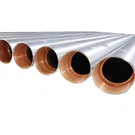


As a supplier of SAW (Submerged Arc Welded) OCTG (Oil Country Tubular Goods), I've witnessed firsthand the growing concerns about the environmental impacts of our industry. In this blog, I'll delve into the various environmental aspects associated with SAW OCTG production, exploring both the challenges and the steps we can take to mitigate these impacts.
Raw Material Extraction and Processing
The production of SAW OCTG begins with the extraction of raw materials, primarily iron ore. Mining operations can have a significant environmental footprint, including habitat destruction, soil erosion, and water pollution. The extraction process often involves large - scale excavation, which can disrupt local ecosystems and displace wildlife.
Once the iron ore is mined, it needs to be processed into steel. This involves high - energy - consuming processes such as smelting and refining. The steelmaking process is one of the largest industrial emitters of greenhouse gases, particularly carbon dioxide (CO₂). According to the World Steel Association, the steel industry accounts for around 7 - 9% of global direct emissions of CO₂. During the production of the steel used in SAW OCTG, significant amounts of fossil fuels are burned to produce the high temperatures required for smelting, leading to large - scale emissions.
Energy Consumption in SAW OCTG Manufacturing
The manufacturing process of SAW OCTG is energy - intensive. The actual welding process, a key part of SAW production, requires a substantial amount of electricity. Additionally, the forming, heat - treating, and finishing operations also consume a significant amount of energy.
High energy consumption not only contributes to greenhouse gas emissions but also puts pressure on local energy resources. In regions where energy is generated primarily from fossil fuels, the environmental impact is even more pronounced. For example, if a factory relies on coal - fired power plants for its electricity needs, the production of SAW OCTG indirectly contributes to air pollution, acid rain, and global warming.
Waste Generation
SAW OCTG production generates several types of waste. Solid waste includes scraps from the cutting and shaping processes, as well as defective pipes that do not meet the quality standards. These scraps often end up in landfills if not properly recycled. Recycling steel is possible, but it still requires energy and resources.
In addition to solid waste, the manufacturing process also produces hazardous waste. Chemical substances used in the surface treatment and coating of SAW OCTG, such as acids, alkalis, and heavy metals, can pose significant environmental and health risks if not managed correctly. Improper disposal of these hazardous by - products can contaminate soil, water, and air, affecting local ecosystems and human health.
Water Usage and Pollution
Water is a crucial resource in SAW OCTG production. It is used for cooling during the welding and forming processes, as well as for cleaning and descaling the pipes. The large - scale use of water can strain local water supplies, especially in areas where water is scarce.
Moreover, the water used in the production process often becomes contaminated with various pollutants, including heavy metals, oils, and chemicals. If this wastewater is discharged without proper treatment, it can contaminate rivers, lakes, and groundwater, harming aquatic life and reducing the availability of clean water for other uses.
Mitigation Strategies
Despite the challenges, the industry has been taking steps to reduce its environmental impact. For instance, in raw material extraction, more and more mining companies are adopting sustainable mining practices. These include reclamation of mined areas to restore their ecological functions, reducing water and energy consumption during the extraction process, and implementing strict environmental monitoring to prevent pollution.
In terms of energy consumption, the SAW OCTG manufacturing industry is exploring alternative energy sources. Some companies are investing in renewable energy technologies such as solar and wind power to meet part of their energy needs. Energy - efficient equipment and advanced manufacturing processes are also being developed to reduce energy consumption per unit of production.
Regarding waste management, recycling programs are being expanded. Recycling steel scraps reduces the need for new raw material extraction and conserves energy. For hazardous waste, proper treatment and disposal methods are being implemented to ensure that harmful substances are safely contained and don't enter the environment.
In water management, water recycling systems are becoming more common in SAW OCTG production facilities. These systems treat and reuse the water used in production, reducing the overall water demand and minimizing wastewater discharge. Advanced water treatment technologies are also being employed to remove pollutants from wastewater before it is released.
Our Company's Approach
As a SAW OCTG supplier, we are committed to minimizing our environmental impact. We source our raw materials from suppliers who adhere to sustainable mining practices. We have also invested in energy - efficient equipment and are gradually transitioning to renewable energy sources to power our production facilities.
In terms of waste management, we have a comprehensive recycling program in place for steel scraps. For hazardous waste, we work with certified waste management companies to ensure proper treatment and disposal. Our water recycling systems have significantly reduced our water consumption and wastewater pollution.
We also offer a range of high - quality products, including Cold Rolled Pipe, CRA Pipe, and Coupling. These products are not only manufactured with environmental considerations in mind but also meet the highest industry standards in terms of quality and performance.
Conclusion
The production of SAW OCTG has a range of environmental impacts, from raw material extraction to waste generation and water pollution. However, through the implementation of sustainable practices, the industry is making significant progress in reducing its environmental footprint.
As a supplier, we are dedicated to continuing our efforts in environmental protection while providing high - quality SAW OCTG products. If you are interested in purchasing our products or would like to discuss our environmental initiatives further, we welcome you to contact us for procurement discussions. We believe that by working together, we can balance the needs of the oil and gas industry with the requirements of environmental sustainability.
References
- World Steel Association. "Steel and climate change."
- Industrial environmental research reports on SAW OCTG production processes.
- Academic studies on sustainable mining and steel manufacturing.